
Category Health & Science

More Indigenous Doctors Aim To Close Australia’s Health Gap

By Neena Bhandari

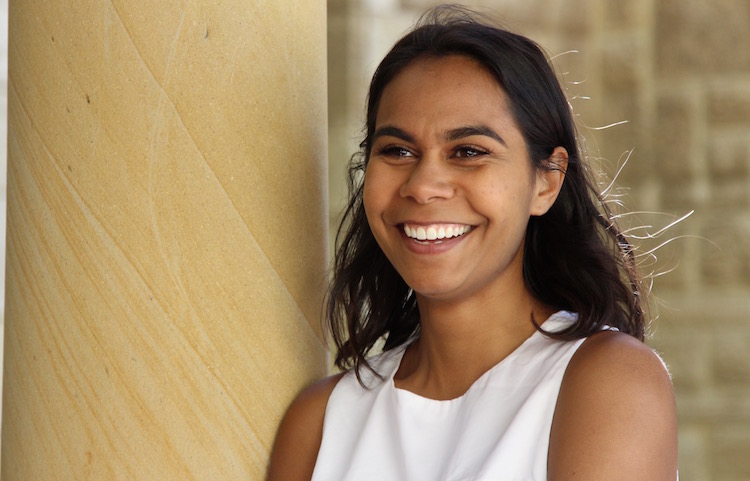
Sydney, 27.12.2016 (IDN/The Wire) – Vinka Barunga was born in the Worrara tribe of the Mowanjum Aboriginal community in the remote town of Derby in Western Australia. As a child, she witnessed disease and suicide amongst her people, which made her resolve to one day become a doctor and help break this cycle of suffering. She is one of six, the largest cohort of Aboriginal and Torres Strait Islander (ATSI) students, to graduate in Medicine/Surgery from the University of Western Australia this year.

Australia has fewer than 300 Aboriginal doctors, but things are gradually changing. Vinka is determined to be the first full time doctor in the town of her birth, situated around 2,400 kilometres north of the state capital Perth in the Kimberley region. It is the gateway to the state’s resource rich north, surrounded by mudflats on three sides, with two distinct seasons.
Continue reading

Cancer Immunotherapy offers hope, when prognosis is grim

By Neena Bhandari

Melbourne, 09.10.2016 (The Week): Melissa Baker, 41, had been feeling itchy for a few months and then one evening she felt a lump in her neck. She went to see her doctor and by the end of the week, she was diagnosed with Hodgkin’s lymphoma. She was told it was a “good cancer” and that she would be cured with six months of treatment.

Unfortunately, that wasn’t the case. When the first line treatment failed, she underwent a stem cell transplant and nearly died from pneumonia in the lead up to it. The transplant also failed. This was followed by treatment with an expensive targeted chemotherapy drug. After an initial good response, Melissa’s lymphoma started progressing again.

Continue reading

Is ayurveda the key to universal healthcare in India?

By Neena Bhandari

Kochi, 28.05.2015 (BMJ): Many Indians, including Prime Minister Narendra Modi, think that integrating the ancient medical system of ayurveda with allopathic medicine is the key to providing universal healthcare, perhaps because practitioners of traditional medicine remain the primary healthcare providers for millions of people in South East Asia, especially in rural areas.

Ayurveda is one of the world’s oldest medical systems. “Ayur” means “life” and “veda” means “knowledge” in Sanskrit. It is based on the concept that each person’s body (prakriti) comprises three doshas or bodily humours (vata, pitta, and kapha) and that disease results from their imbalance. However, there is no conclusive scientific evidence to support the literal existence of doshas. Ayurvedic practitioners prescribe individualised preventive and curative interventions, such as herbal formulations, diet, massage, exercise, yoga, and lifestyle recommendations.1

Continue reading