Category Health & Science

Sustained care critical for Gaza’s child amputees

By Neena Bhandari

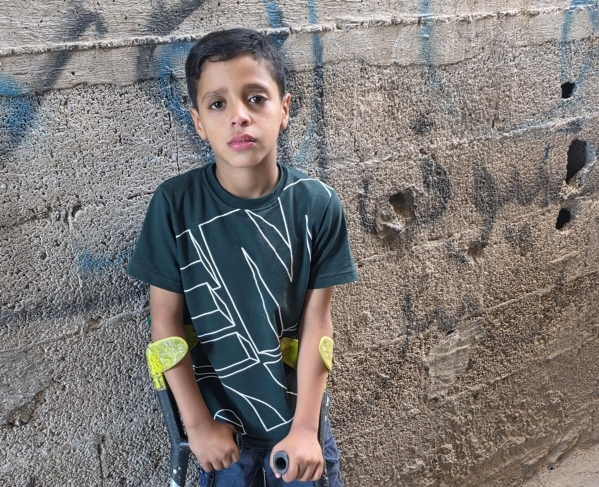
Sydney, 10.06.2026 (SciDev.Net): Thousands of children in Gaza, who have undergone amputations during the war, need their prostheses modified, repaired or replaced every six to 12 months or sooner, as they grow. But with healthcare services severely strained and rehabilitation resources scarce to non-existent, specialists and aid organisations warn that young amputees face an uncertain future without sustained access to the care they need.

Eight-year-old Mohammed Akram Abu Aker’s right leg was severed in June 2025 by shrapnel from an artillery shell, just as he and his family were attempting to flee following an Israeli airstrike on a neighbour’s house in Gaza. The shrapnel penetrated multiple parts of his body, causing extensive wounds.

About 10,000 children have sustained life-changing injuries in Gaza since October 2023, according to the World Health Organization (WHO). One in five out of more than 5,000, who have undergone limb amputations, is a child.

Continue Reading on SciDev.Net

© Copyright Neena Bhandari. All rights reserved. Republication, copying or using information from neenabhandari.com content is expressly prohibited without the permission of the writer and the media outlet syndicating or publishing the article.

Low-cost fixes can ease heat stress for garment workers

By Neena Bhandari

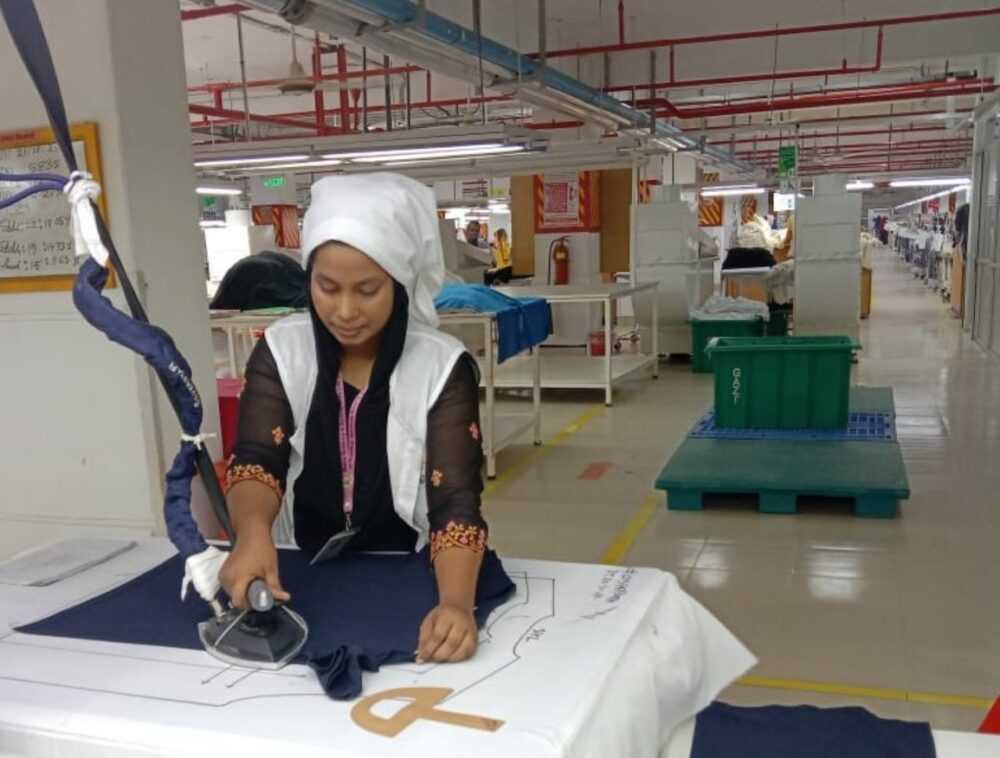
Sydney, 24.10.2025 (SciDev.Net): Simple, low-cost interventions could help reduce heat stress for the millions of people who work in garment factories in Bangladesh, where extreme temperatures make conditions unbearable, according to Australian researchers.

Climate change-led extreme heat and humidity is putting the health and earnings of garment workers in Bangladesh and other low- and middle-income countries at increasing risk, say researchers of a study led by the University of Sydney. Their study published in The Lancet Planetary Health on Monday (20 October), reveals how simple, affordable, low-carbon interventions could reduce heat stress and protect workers’ productivity and earnings in Bangladesh’s ready-made garment sector.

The industry employs over 4 million people in the country, about 60 per cent of them women, according to the International Labour Organization. Fahima Akter Beauty, a 24-year-old single mother from Ashulia suburb on the outskirts of Dhaka, has been working for three years in a factory that manufactures knitwear. She feels it is getting hotter and the heat makes her stressed and restless, leading to poor concentration, headaches and drowsiness.

Continue reading

Philanthropy partners vital for global health: WHO Western Pacific Regional Director

By Neena Bhandari

Sydney, 10.10.2025 (SciDev.Net): As the US withdraws from the World Health Organization and cuts overseas aid, regional partnerships are critical to safeguarding the health of member countries in a region where climate change and chronic diseases loom large.

These are some of the reflections of the WHO’s Western Pacific regional director, Saia Ma’u Piukala, on the health challenges facing the region and measures needed to overcome them, as he heads to the World Health Summit (12-14 October) in Berlin (Germany). He will join other global health leaders to discuss how health governance and financing models must adapt to the new reality of dwindling foreign assistance before the Regional Committee meeting in Fiji (20-24 October 2025).

In a written interview, he talks about the crucial role of philanthropic partnerships, why multilateralism in health is more essential than ever, and the threat posed by misinformation and disinformation to public health.

Continue reading