Category Health & Science

Is ayurveda the key to universal healthcare in India?

By Neena Bhandari

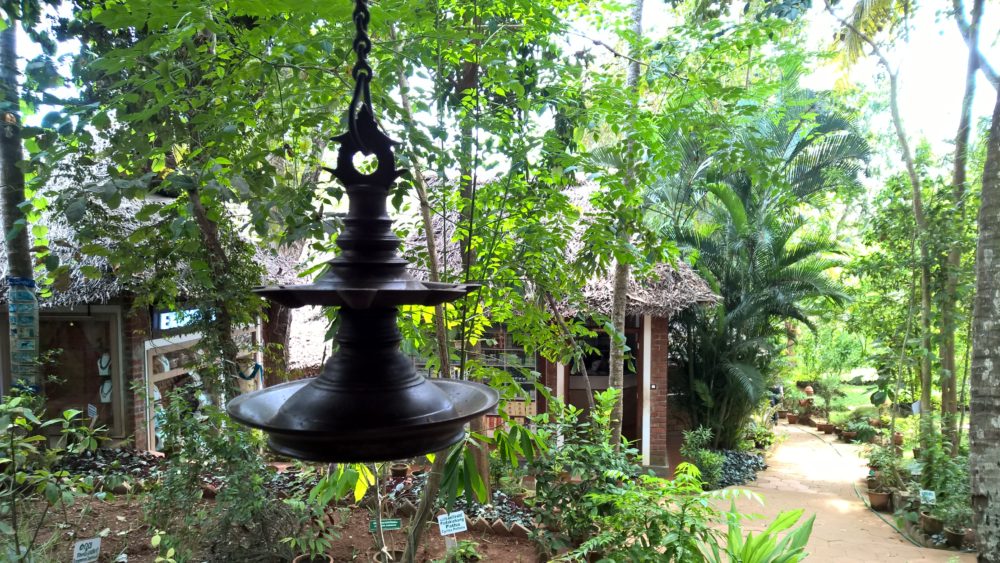
Kochi, 28.05.2015 (BMJ): Many Indians, including Prime Minister Narendra Modi, think that integrating the ancient medical system of ayurveda with allopathic medicine is the key to providing universal healthcare, perhaps because practitioners of traditional medicine remain the primary healthcare providers for millions of people in South East Asia, especially in rural areas.

Ayurveda is one of the world’s oldest medical systems. “Ayur” means “life” and “veda” means “knowledge” in Sanskrit. It is based on the concept that each person’s body (prakriti) comprises three doshas or bodily humours (vata, pitta, and kapha) and that disease results from their imbalance. However, there is no conclusive scientific evidence to support the literal existence of doshas. Ayurvedic practitioners prescribe individualised preventive and curative interventions, such as herbal formulations, diet, massage, exercise, yoga, and lifestyle recommendations.1

Continue reading

India Needs to Focus on Its Polio Survivors

By Neena Bhandari

The Indian Government, Non-Governmental Organisations and the larger community must invest in rehabilitating millions of polio survivors facing new physical, social, cultural and economic challenges.

India was certified polio-free by the World Health Organisation on 27 March 2014. Polio immunisation has been a great success story of public-private health partnership, but now we need to replicate this to improving the lives of people living with polio.

Unlike the developed world, millions of polio survivors in India are still very young. They will need treatment and support for many more years to come. Doctors, orthotists and physiotherapists need to be trained to recognise and manage the debilitating effects of Post-Polio Syndrome [PPS]. It is also time to count and document the number of polio survivors and the problems they are facing today.

Continue reading

After eradication: India’s post-polio problem

By Neena Bhandari

New Delhi, 31.03.2014 (BMJ): As India celebrates three years of being polio free there is an urgent need to invest in medical care for the thousands of people who made the most of life after having had poliomyelitis but are now facing the debilitating post-polio syndrome (PPS).1 2 PPS describes the sudden onset of muscle weakness or fatigability in people with a history of acute paralytic poliomyelitis, usually occurring 15 to 40 years later.3 Many thousands of polio survivors experience muscle weakness, fatigue, joint and muscle pain, intolerance to cold, and difficulties in sleeping, breathing, or swallowing.

The March of Dimes, an international non-profit agency based in the United States and founded in 1938 by President and polio survivor Franklin D Roosevelt, warned in 2001 that as many as 20 million people worldwide are at risk of PPS, which could leave them using wheelchairs or ventilators for the rest of their lives.

After eradication_ India’s post-polio problem _ BMJ

Continue reading on British Medical Journal

© Copyright Neena Bhandari and BMJ. All rights reserved. Republication, copying or using information from neenabhandari.com content is expressly prohibited without the permission of the writer and the media outlet syndicating or publishing the article.