
Category Health & Science

Call for global coalition against malaria

By Neena Bhandari

Sydney, 07.07.2018 (SciDev.Net): The inaugural Malaria World Congress (2—5 July) in Melbourne has called on the global community to work unitedly to enhance political and financial support to combat the debilitating disease.

“The status quo is not okay as so much suffering depends on us acting, and acting vigorously,” said Brendan Crabb, immunologist and chief executive officer of Burnet Institute, a Melbourne-based not-for-profit research and public health organisation,  while delivering the keynote closing address.

“It is not just engaging but putting the vulnerable communities that are the least listened to at the head of the table — to innovate, and to collaborate, is what will give us the motivation to finish the job (malaria elimination) in the countries that need the last mile to be achieved,” Crabb said.

Continue reading on SciDev.Net Asia & Pacific

© Copyright Neena Bhandari. All rights reserved. Republication, copying or using information from neenabhandari.com content is expressly prohibited without the permission of the writer and the media outlet syndicating or publishing the article.
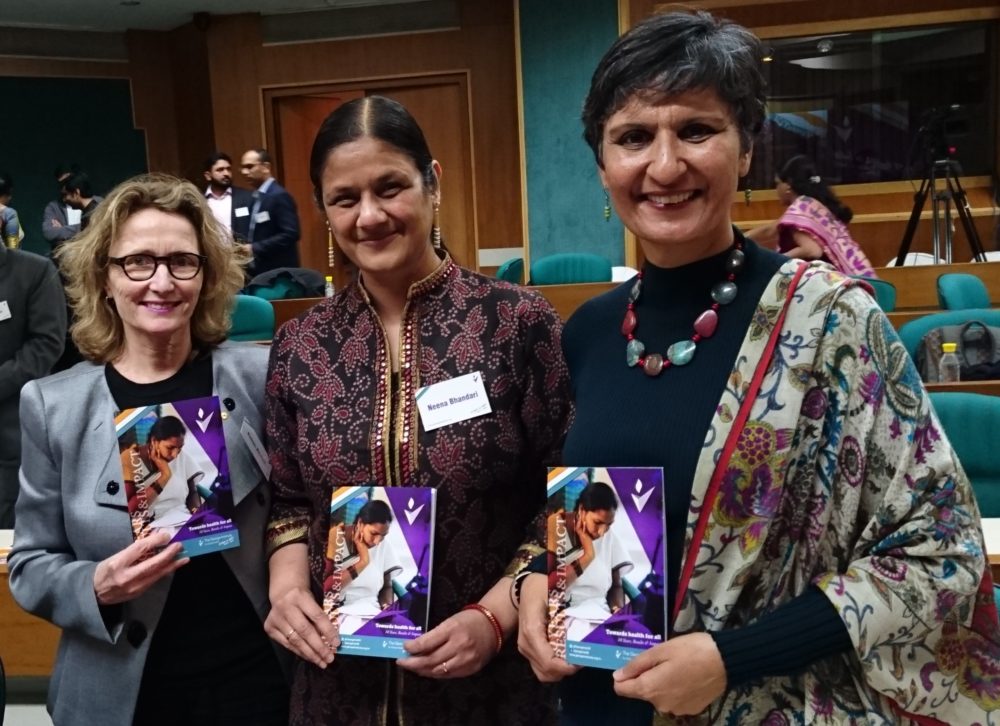
Robyn Norton: Closing the data gap is essential for reaching gender equity in health

By Neena Bhandari

Professor Robyn Norton grew up observing her parents’ commitment to equity and social justice in improving people’s lives in Christchurch, gateway to New Zealand’s South Island. It left an enduring impression on her young mind. The women’s movement was reaching its peak during her high school years. She got drawn into thinking about addressing women’s health issues and moved to Sydney, Australia, and enrolled in a Master’s degree in Public Health.

Fast forward to late 1990s. She says, “The global burden of disease was changing, particularly in lower and middle-income countries where Non-Communicable Diseases [NCDs] and injuries were emerging as a leading cause of death and disability. The expertise to manage the emerging epidemic of NCDs and injuries was not available in these countries. Most of the global collaborations between the high income and low-income countries were still focused on maternal and child health and under nutrition”.

Continue reading

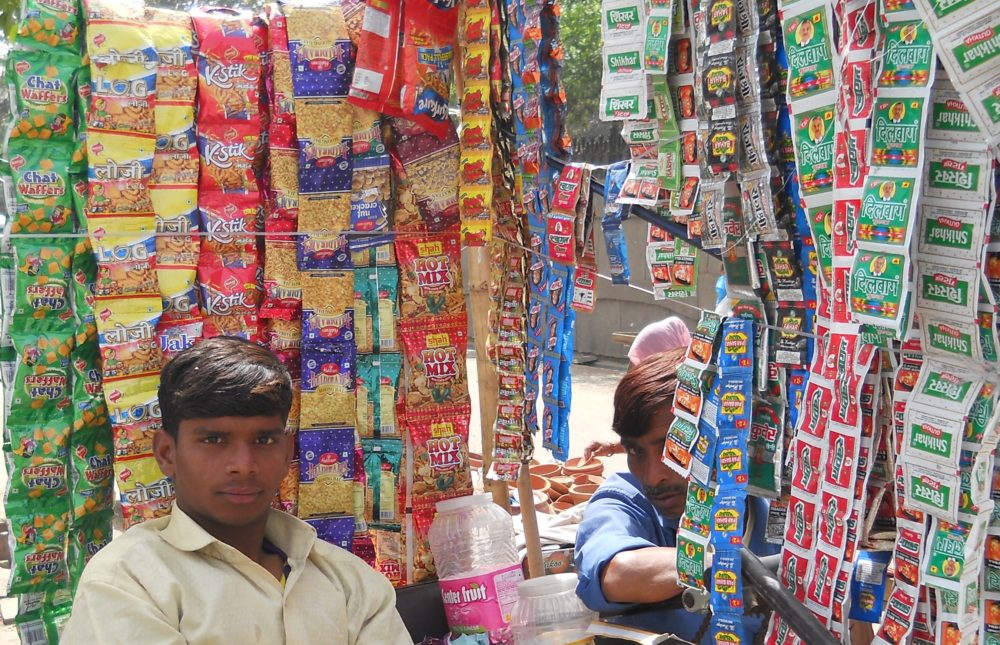
Bruce Neal: Changing the way the world makes, markets and eats food

By Neena Bhandari

Bruce Neal had been working on his doctorate on cardiovascular disease with the George Institute’s co-founder, Stephen MacMahon, in Auckland. It was 1999, Stephen and Robyn Norton were contemplating setting up an Institute focusing on the health consequences of chronic diseases in low and middle-income countries, and invited him to join.

“It was a novel idea to set up an Institute to address cardiovascular diseases and injuries in low-middle income settings. Until that time almost all the big international research institutes working in low- and middle-income countries focused on maternal and child health. So, I seized the opportunity and moved to Sydney”, says Professor Neal, who was born in the port city of Aden in Yemen. He studied medicine at Bristol University in England and worked for four years in the United Kingdom’s National Health Service before moving to New Zealand to begin a research career.

Continue reading