
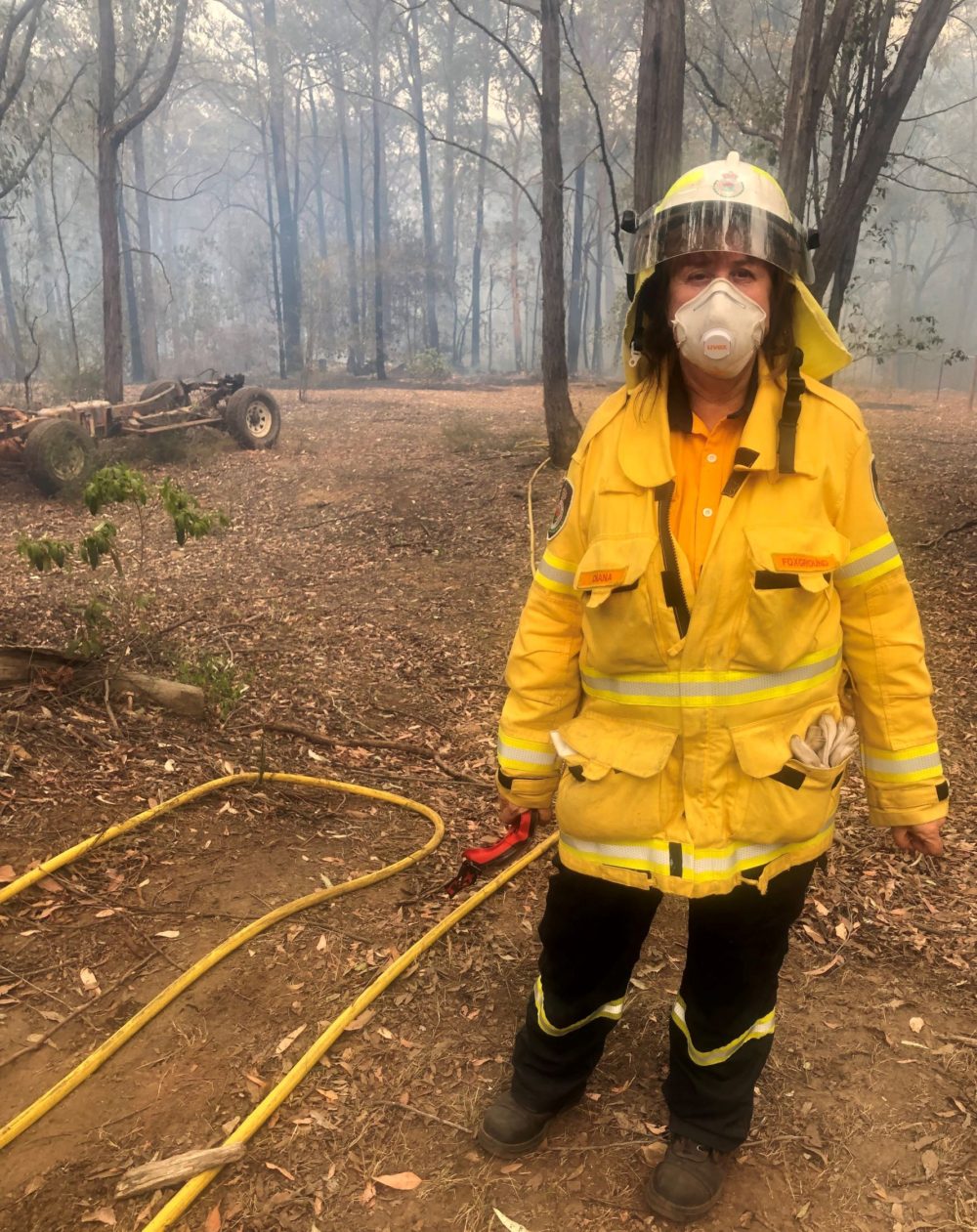
By Neena Bhandari
SYDNEY, Australia, Jan 8 2020 (IPS) – As nature’s fury wreaked havoc across Australia, reducing to ashes all that came in its way – people, flora, fauna, picturesque historic towns and villages once popular with local and overseas tourists – it was unlike anything the country had witnessed before. The staggering scale and intensity of the devastation could best be summed up as apocalyptic.
Bushfires, not uncommon in Australia’s vast woodland, scrub or grassland areas, started early in September with summer still few months away (December – February), igniting a fresh debate on the country’s woeful record on climate change. 2019 was the country’s driest and hottest year on record with the temperature reaching 1.52 °C above the long-term average.
With temperatures soaring close to 50 °C, parched land, low humidity, strong winds fuelled the fires that since September have claimed 24 lives, including three volunteer firefighters, and razed more than 6.3 million hectares of land. Thousands have been rendered homeless and there has been a heavy toll on wildlife.