
Category Climate Change

Waste to wealth with new generation nanocatalyst

By Neena Bhandari

Sydney, 05.11.2020 (SciDev.Net): Researchers have developed a new and cheaper method of recycling used cooking oil and agricultural waste into biodiesel, which also has the potential to efficiently convert food scraps, micro-plastics and old tyres into valuable molecules used in medicines, fertilisers and biodegradable packaging.

The findings of the research, an international collaboration led by RMIT University in Melbourne (Australia) published 26 October in Nature Catalysis, point to the multifunctional properties of the new and more efficient catalyst, a highly porous, micron-sized ceramic sponge that contains different specialised active components that accelerate chemical reactions. Molecules enter the sponge through large pores, where they undergo the first chemical reaction, and then pass into smaller pores to undergo the second reaction with the help of nanoparticles.

“Biodiesel is currently manufactured using soluble catalysts (substances that accelerate chemical reactions). These are difficult to recover (for reuse) from the fuel product, can corrode engines and are rapidly ‘poisoned’ by contaminants present in the oil feedstocks,” says Adam Lee, co-lead investigator and professor of sustainable chemistry at RMIT University.
Continue reading →

How Vanuatu women are responding to climate change

By Neena Bhandari

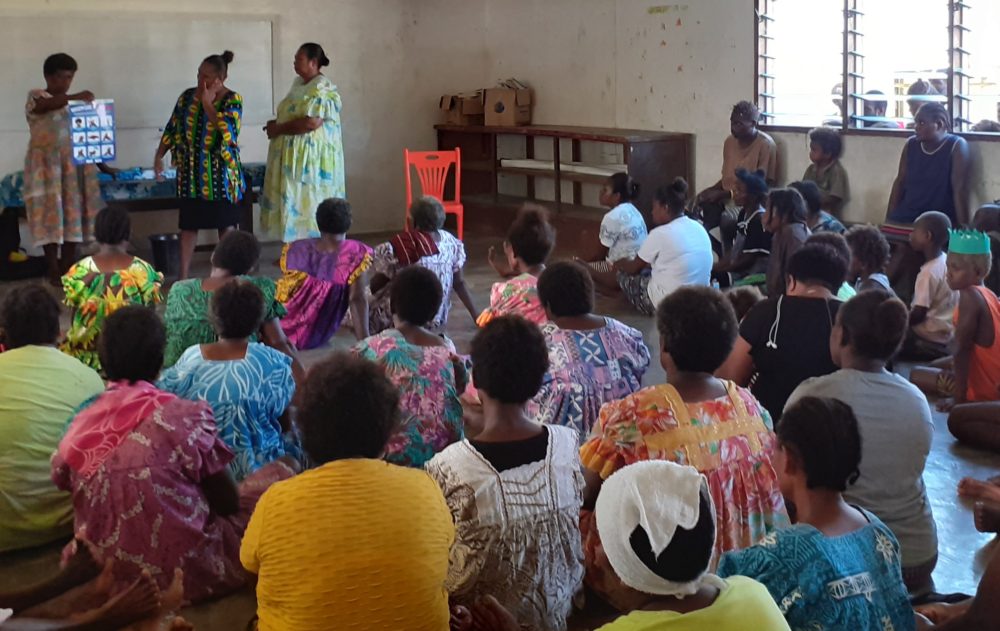
Sydney, 20.04.20 (IPS): Sitting atop a banyan tree branch, Fiona Robyn had a cell phone tightly clasped in her fist raised high to get a signal. She was impatiently waiting for the SMS weather alert from the Women Wetem Weta (Women’s Weather Watch – WWW) hub in Port Vila as cyclone TC Harold raged towards the Republic of Vanuatu in the South Pacific Ocean on 5th April.

No sooner had she received the message, Robyn, a WWW leader in Eton on the eastern coast of Efate island in Vanuatu, immediately swung into action. She began mobilising other women and youth to help widows, the physically challenged and older people secure their roofs, store food and clean water, secure documents in air tight containers, and move those in unsafe houses to the local school serving as an evacuation centre.

When natural disasters strike, women are the first responders for their families and communities. The WWW programme is giving women in remote areas access to appropriate timely information, and building their capacity and confidence to communicate complex scientific weather and climate information from the Meteorological Department in simple “disaster ready” warnings to prepare for cyclones, floods, droughts and volcanic eruptions.

Continue reading →

Bushfires Hasten the Death Knell of many Australian Native Animals and Plants

By Neena Bhandari

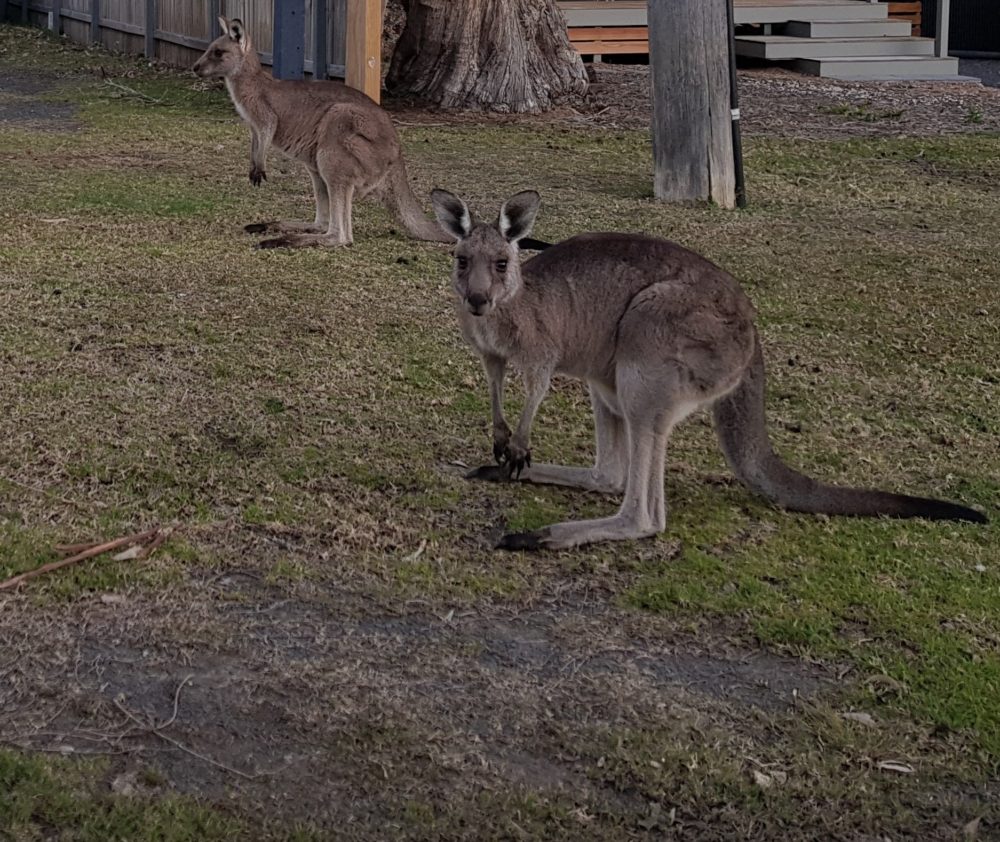
SYDNEY, Australia, Jan 14 2020 (IPS) – The chatter of cockatoos and lorikeets has given way to an eerie silence in smoke enveloped charred landscapes across south-eastern Australia. The unrelenting bushfires have driven many native animal and plant species to the brink of extinction and made several fauna more vulnerable with vast swathes of their habitat incinerated.

As many as 13 native animal and bird species may become locally extinct following the devastating bushfires, according to an initial analysis by national environment organisations, including the Australian Conservation Foundation (ACF) and World Wide Fund for Nature (WWF) Australia.

These vulnerable species include, Koalas, Regent Honeyeater, Blue Mountains Water Skink, Brush-Tailed Rock Wallaby and Southern Corroboree Frog in areas of New South Wales; Glossy Black Cockatoo and Kangaroo Island Dunnart in South Australia; Greater Glider and Long-footed Potoroo in East Gippsland in Victoria; and Quokkas and Western Ground Parrots in areas of Western Australia.

Continue reading →