

Posts tagged environment

Conure cheer amidst Coronavirus

By Neena Bhandari

Turbulent, terrible, torturous is probably how many would describe Year 2020. It exposed and widened the social, economic and political frailties and fault lines, relegating important environment, development and other health issues to the backburner, and stalled progress made in the key Sustainable Development Goals of education and gender. While timely lockdowns did help in slowing the transmission and spread of the virulent virus, confined isolation made the plight of the vulnerable worse.

2020 began with my annual trip to meet family and friends in India, which included a memorable visit to Amritsar and the Wagah Border. I returned to Sydney via Singapore, a week before the World Health Organisation declared the coronavirus outbreak a pandemic on March 11th. On the flight I wore a mask, which I had hurriedly purchased before departing Delhi on a cold, hazy February night.
Continue reading →

New way to locate metals deposits in the earth’s crust

By Neena Bhandari

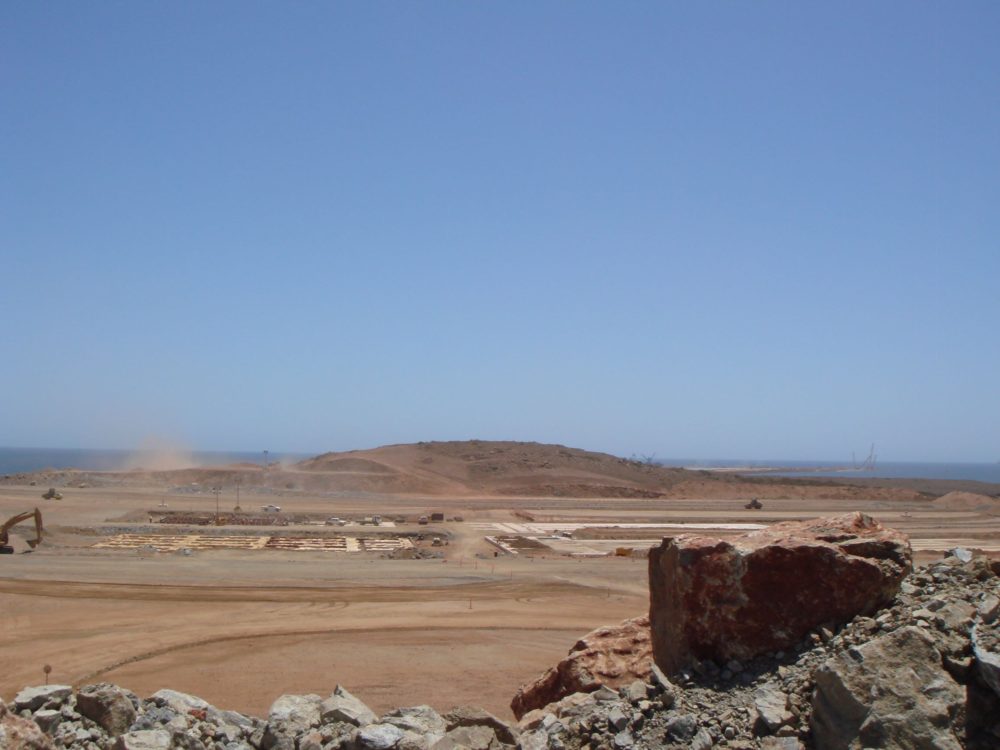
Sydney, 08.07.2020 (SciDev.Net): Scientists have discovered a new tool to predict the location of base metal deposits, which are buried too deep beneath the Earth’s surface to be found using current exploration methods. This augurs well for targeted mining of metals, such as copper, lead, zinc, which are much in demand for their use in renewable energies.

The study, published on 29th June 2020 in the journal Nature Geoscience, found that 85 percent of all known base metal deposits and 100 percent of all “giant” deposits (those holding more than 10 million tons of metal) hosted in sedimentary basins are located on the edges of cratons – older regions of the continents, which are generally on thicker lithosphere, the rigid outermost cladding of the planet comprising the crust and upper mantle.

“These deposits generally have larger quantities of metal bound up in high-grade ores than their magmatic counterparts. Once you find the right spot, you only have to dig one hole, and buried deposits are more likely to be extracted via shafts in comparison to most current base metal mines, which are often destructive open-pit operations,” says Mark Hoggard, lead author of the study and postdoctoral researcher at Harvard and Columbia Universities.

Continue reading →

Australia’s Bushfires Bring Mounting Pressure to Reduce Greenhouse Gases

By Neena Bhandari

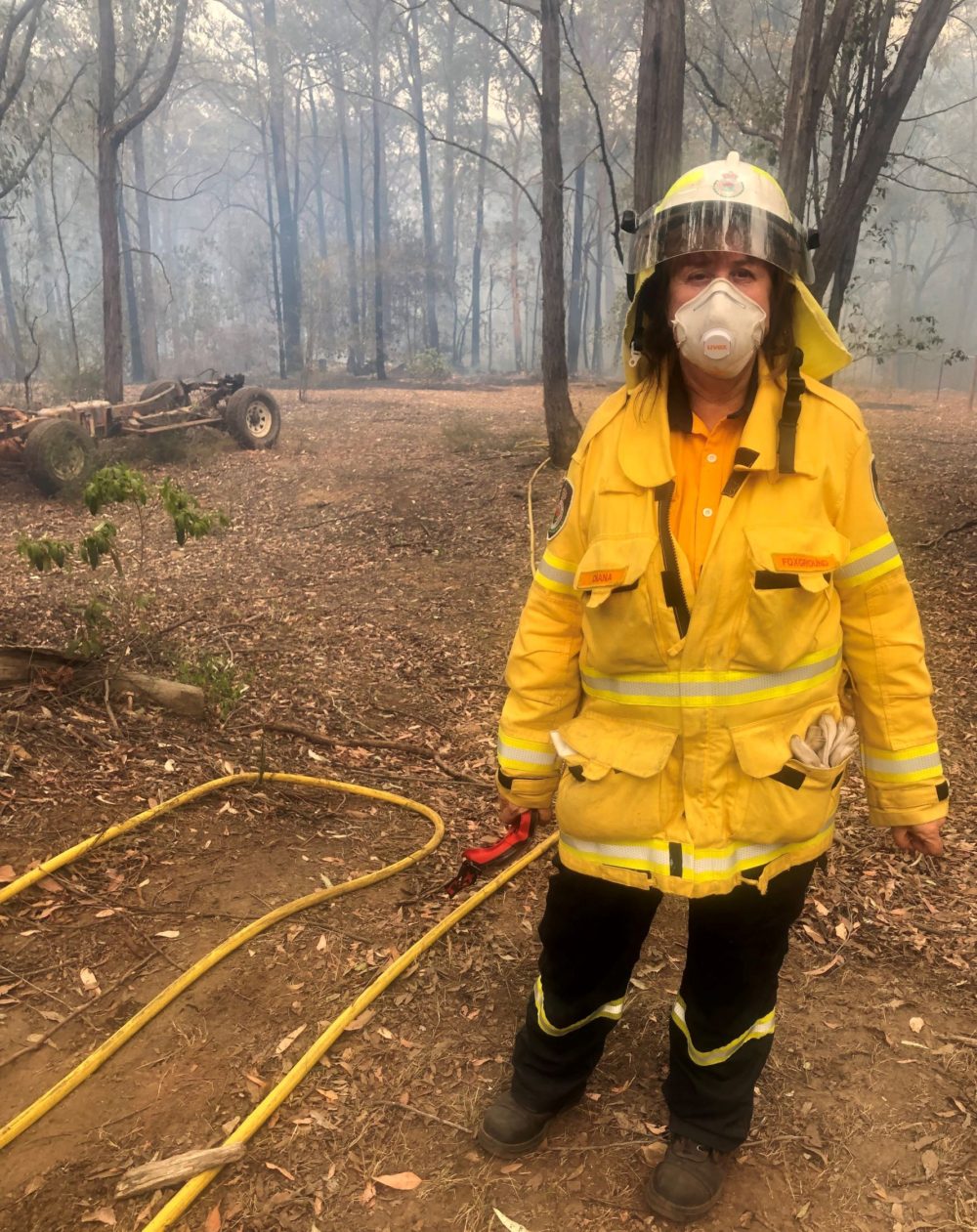
SYDNEY, Australia, Jan 8 2020 (IPS) – As nature’s fury wreaked havoc across Australia, reducing to ashes all that came in its way – people, flora, fauna, picturesque historic towns and villages once popular with local and overseas tourists – it was unlike anything the country had witnessed before. The staggering scale and intensity of the devastation could best be summed up as apocalyptic.

Bushfires, not uncommon in Australia’s vast woodland, scrub or grassland areas, started early in September with summer still few months away (December – February), igniting a fresh debate on the country’s woeful record on climate change. 2019 was the country’s driest and hottest year on record with the temperature reaching 1.52 °C above the long-term average.

With temperatures soaring close to 50 °C, parched land, low humidity, strong winds fuelled the fires that since September have claimed 24 lives, including three volunteer firefighters, and razed more than 6.3 million hectares of land. Thousands have been rendered homeless and there has been a heavy toll on wildlife.

Continue reading →