
New Trade Winds

By Neena Bhandari

(Opinion piece for Business Standard): From cricket and the Commonwealth, India-Australia bilateral ties have moved to embracing commerce. Recent months have seen Indian companies making huge investments in Australian mines and setting up joint ventures to secure the much needed resources for meeting India’s growing energy needs.

The “U” word, as the issue of uranium sales to India is often referred to in diplomatic circles, made front-page headlines and prime time news, and even dominated talkback radio airwaves. So much so that at the visiting US president and Australian prime minister’s joint press conference, one of the questions asked by an Australian journalist was on uranium exports to India to which President Barack Obama replied, “I will watch with interest what is determined.”
Continue reading

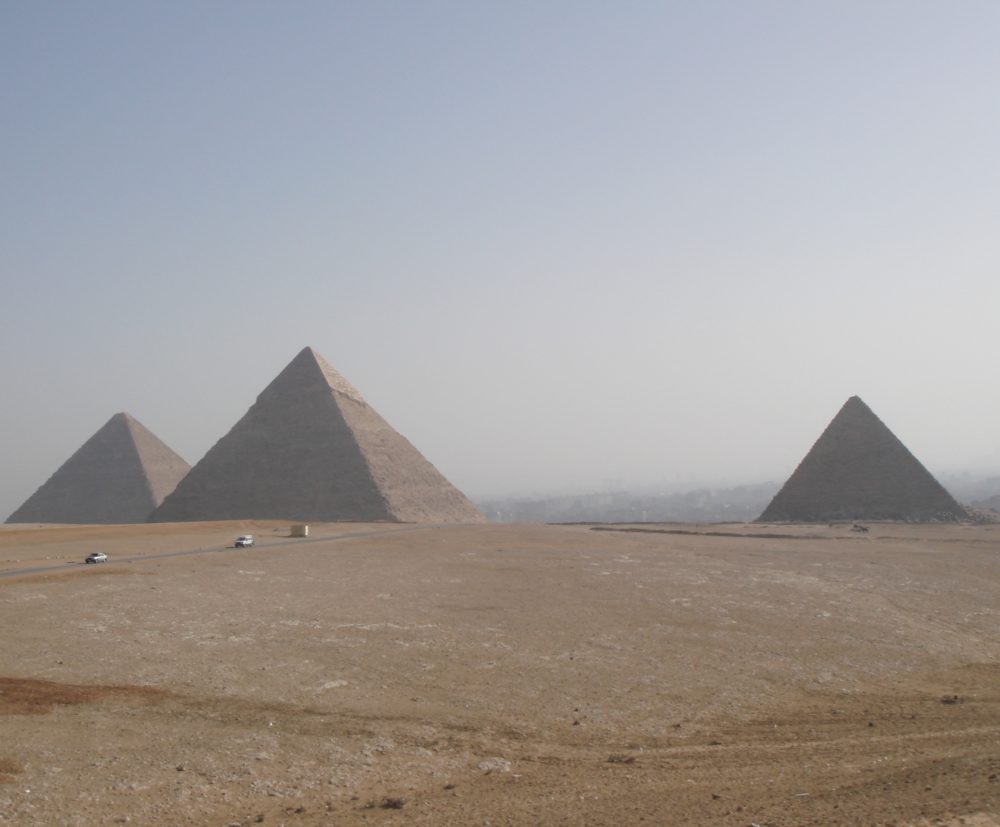
Egypt beckons tourists to explore the ingenuity of the Pharaohs’ creations

By Neena Bhandari

Cairo, Aswan & Luxor, 04.04.2011 (The Hindustan Times): It was meant to be a leisurely exploration of the celebrated monuments of the Nile Valley, but we found ourselves enmeshed in Egypt’s tumultuous events that created political history, marking the end of Hosni Mubarak’s 30-year dictatorial reign.

“It will be a while before travellers return to Cairo”, our guide, Hesham Aref, had told me on Skype in March. International tourist arrivals saw a decline of 45 per cent in the first quarter of 2011, but tourists are gradually returning to Egypt. This augurs well for the country’s ensuing political and social stability. Tourism is one of the four main revenue earners besides the Suez Canal and oil and gas exports. As the leading foreign exchange earner and representing one in every seven jobs, tourism is a crucial factor in Egypt’s economic recovery. In 2010, tourism accounted for 11.5 per cent of the GDP. As many as 14 million international tourists visited Egypt last year, generating nearly US$13 billion in international tourism receipts.

Continue reading

Wikileaks: Australians Call For Legislation to Protect Whistleblowers

By Neena Bhandari

Sydney, 23.03.2011 (IPS):  Some Australians are convinced their government is sharing intelligence information with foreign powers about citizens implicated by documents released by Wikileaks.

The government’s refusal to acknowledge any hand in the case against Wikileaks’ Australian founder Julian Assange has earned the ire of students, academics, lawyers, journalists, and teachers, plus members of the community who are supporting Assange and free speech.

“The Australian government, like other western governments, is increasingly involved in activities which its citizens would renounce if they knew of them,” Julian Burnside, a human rights and refugee advocate here, told IPS.

Continue reading