
Building a sustainable future

By Neena Bhandari

Sydney, 28.04.2012 (Sydney Morning Herald): For many, the great Australian dream is still owning a large, freestanding house with a backyard, but more than ever home-owners are conscious of their carbon footprint and the cost of running such a home.

Experts say intelligent design and use of materials can make houses more energy efficient and save hundreds of dollars in rising water and electricity bills.

Simple things such as the orientation of a building, the size and positioning of windows and rooms, level of insulation and better use of building materials are crucial at the design stage to build a sustainable residence, architects say.

Continue reading

Many more cruise liners come calling at Indian ports

By Neena Bhandari

Sydney, 05.04.2012: In the days when journalists used Olivetti typewriters and bromides to make news pages, merchant navy ships making port calls at Mumbai were a major attraction. The narrow pavements of Colaba and Fort would be dotted with hawkers selling the `imported’ Australian Kraft Cheese, the Italian Ferrero Rocher chocolates, American Lacoste Tshirts and airline socks on wooden boxes transformed into tables for displaying wares.

Today, along with cargo ships, many of the world’s renowned cruise liners regularly make port calls along India’s lengthy coastline. Cruising is fast becoming the choice of Indian travellers to explore the world for its all-inclusive nature, relieving the stress of constant packing and unpacking, checking-in and checking out. On a cruise, one unpacks on day 1 and packs on the last day whether travelling for days, weeks or even months.

Continue reading

Hungry sands no more

By Neena Bhandari

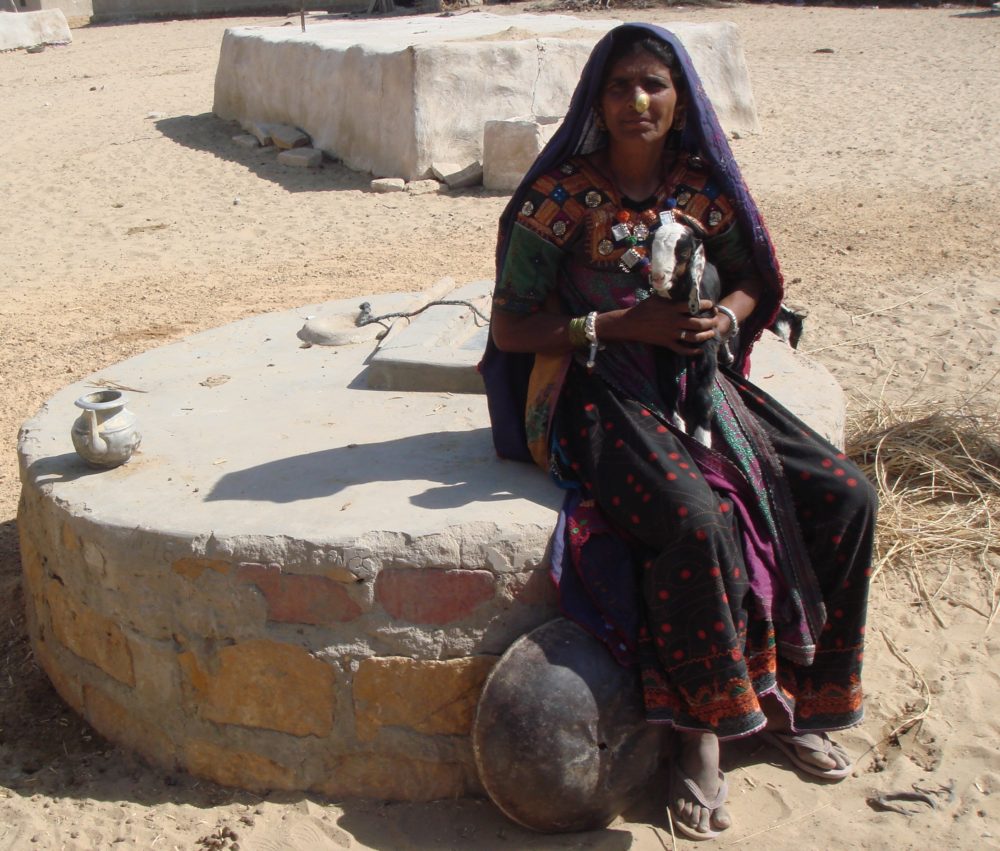
Mohangarh, (Jaisalmer District, Rajasthan, India), 29.03.2012 (The Hindu Businessline): Not long ago, the remote communities in Jaisalmer district eked out a living from a single annual crop of millet (bajra), dependent on the mercy of rain gods. The 48 degree centigrade heat of the harsh summer sun, frequent sandstorms and no water posed a major challenge for survival. Droughts and the spectre of camel and livestock bones strewn on the sand dunes was a common phenomenon. But the advent of the Indira Gandhi Canal Project (IGNP) in the mid-1980s transformed the landscape and its inhabitants.

Continue reading