
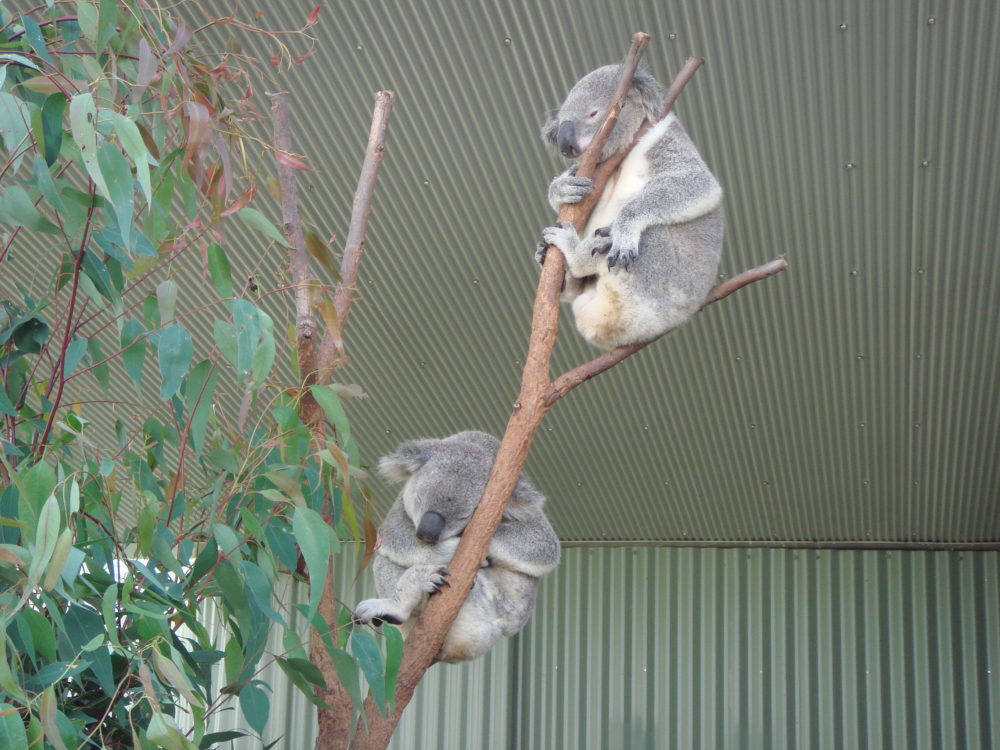
The clock is ticking on koala conservation

By Neena Bhandari

Sydney, 30.04.2013 (IPS and The Guardian): Australia’s iconic marsupial is under threat. Formerly hunted almost to extinction for their woolly coats, koalas are now struggling to survive as habitat destruction caused by droughts and bushfires, land clearing for agriculture and logging, and mining and urban development conspire against this cuddly creature.

In the past 20 years, the koala population has significantly declined, dropping by 40 percent in the state of Queensland and by a third in New South Wales (NSW). The Australian Koala Foundation (AKF) estimates that there are between 45,000 and 90,000 koalas left in the wild.

Continue reading

Di Bella coffee set to enter India by January

By Neena Bhandari

Sydney, 21.01.2013 (Business Standard): Australia’s fastest-growing and most-awarded coffee company, Di Bella Coffee, plans to enter the Indian market with, at least, six cafés in Mumbai in January. It would be followed with cafés in Delhi, Bangalore and Hyderabad.

A core team of eight, headed by general manager Rahul Leekha, is in Mumbai preparing for the launch and interviewing people with high-end food and beverage skill sets.

“We will employ 50 people, who would undergo two to four weeks training under our baristas from Australia,” said Sachin Sabharwal, managing director, Di Bella Coffee India Pvt Ltd, and a partner in the Australian company.

Continue reading

Sydney breaks bread with Sangrur – the wheat link

By Neena Bhandari

Sydney, 21.01.2013 (Business Standard): Wheat collaboration between Australia and India is likely to be extended, after experiments combining strengths in each other’s varieties show rising promise.

India and Australia are collaborating on research to enhance the volume and quality of grown wheat. The five-year bilateral programme on marker-assisted wheat breeding concludes in May 2012 but is set to be extended.

It has been exploring molecular technologies, management practices and more heat-tolerant cultivars, to face the challenges of climate change. India and Australia are particularly vulnerable to increasing temperatures, warns a leading Australian wheat scientist.

Continue reading