

Why we need to bolster My Aged Care to come at par with the NDIS

By Neena Bhandari

Sydney, 20.10.2021 (Hireup): George Laszuk is among thousands of Australians with a disability who are not covered by the National Disability Insurance Scheme (NDIS), which excludes people over the age of 65.

He missed the NDIS safety net by less than a year. “It came as a bombshell. I felt cheated. We had campaigned for it for so many years. Until today, it has never been made clear as to why we were excluded,” says Laszuk, who contracted poliomyelitis at 11 months of age in 1951. October is polio awareness month.

He is now experiencing Post-Polio Syndrome and requires a powered wheelchair and assistance with showering and daily chores. His My Aged Care package barely meets his daily needs despite him being in the highest category of the program.
Continue reading

On the syllabus: Landlocked Down Under

By Neena Bhandari

Sydney, 17.10.2021 (Khaleej Times): Home has not been a flight away for international students in Australia. In mid-March 2020, the country took the unprecedented measure of slamming shut its international borders in response to the rapidly spreading novel coronavirus. Since then, these students haven’t been able to visit their loved ones.

“Australia will be ready for take-off, very soon” once the country reaches 80 percent full immunisation – possibly by early November – announced Prime Minister Scott Morrison on 1st October. But travel restrictions are set to ease only for Australian citizens and permanent residents.

Australia has been an attractive destination for international students, but the impact of the COVID-19 pandemic on its international education sector has been huge. Australian Bureau of Statistics data shows that for the year to June 2021, export revenue from international education was down by 28 per cent on the previous year.

Continue reading

Students’ yearn return to school

By Neena Bhandari

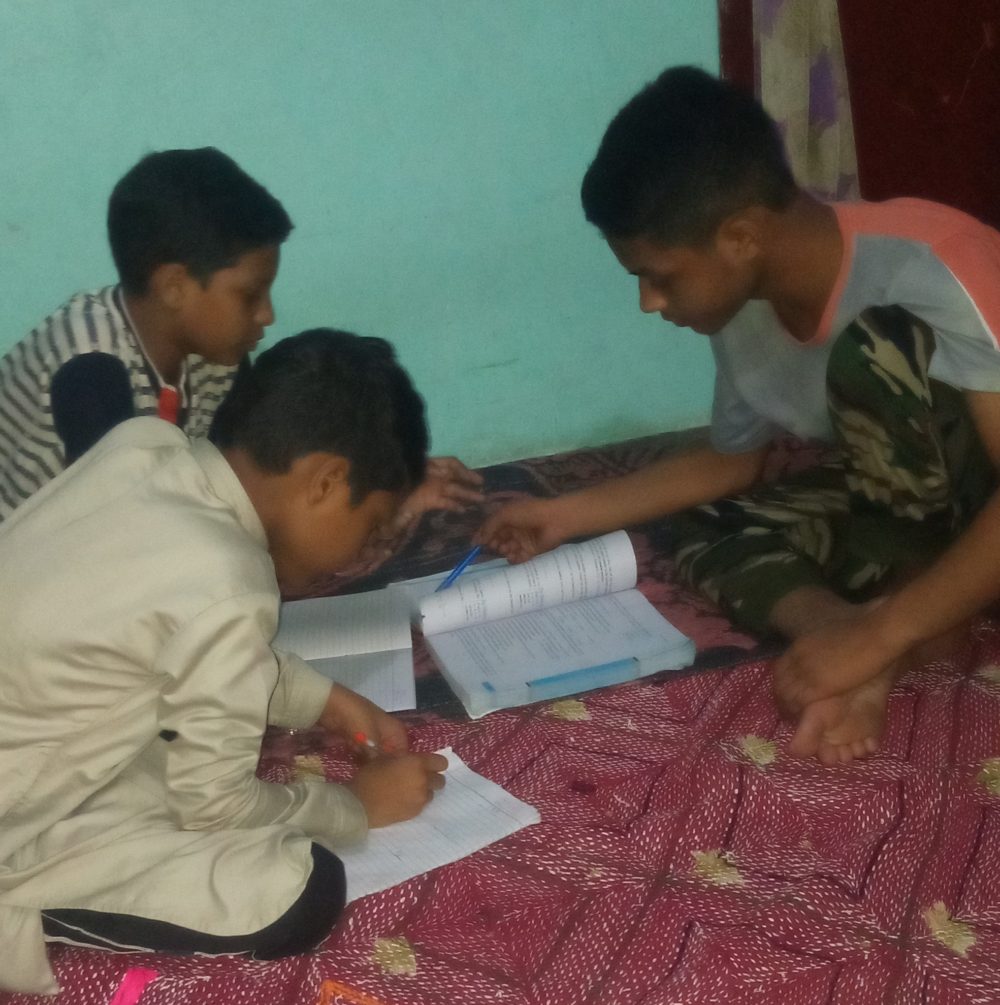
Sydney, 13.10.2021 (SciDev.Net): A “generational catastrophe” looms as government’s prioritise opening of malls overs schools, resulting in huge learning losses. As many as 117 million children globally are still affected by full school closures due to COVID-19 lockdowns, according to the UN Educational, Scientific and Cultural Organisation (UNESCO).

“You can’t open shopping malls and keep the schools closed,” UNESCO’s director of division for policies and lifelong learning systems Borhene Chakroun, tells SciDev.Net. “Governments have to take policy measures now to prevent a generational catastrophe in the future. They should reopen schools as soon as the sanitary situation allows and use closing them as the last resort.”

As of mid-September 2021, nine countries — Brunei Darussalam, Fiji, Malaysia, Myanmar, Nepal, New Zealand, Pakistan, the Philippines and Sri Lanka — in the Asia Pacific region have fully closed their schools due to COVID-19, accounting for 105 million or 10 percent of total students. As many as 51 million are primary school students, according to UNESCO.

Continue reading