
Micro-estimates of wealth data ‘can help tackle poverty’

By Neena Bhandari

Sydney, 25.01.2022 (SciDev.Net): A data project charting poverty levels in detail across the global South could help policymakers better target social assistance and humanitarian aid, researchers say.

The COVID-19 pandemic has deepened poverty globally, with an estimated 97 million more people, most of them in LMICs, pushed into extreme poverty in 2021, according to the World Bank. But a dearth of reliable and up-to-date poverty data in low- and middle-income countries (LMICs) poses a major challenge for governments and civil society.

To bridge this data gap, researchers at the University of California (UC), Berkeley, and the Data for Good programme, which collates data from Meta platforms such as Facebook and Instagram, have developed a public data set of Relative Wealth Index (RWI), which provides micro-estimates of wealth of all populated areas in the 135 LMICs. The study was published in PNAS on 18 January.
Continue reading

“Aboriginal people need to know that the person making life-changing decisions is listening”

By Neena Bhandari

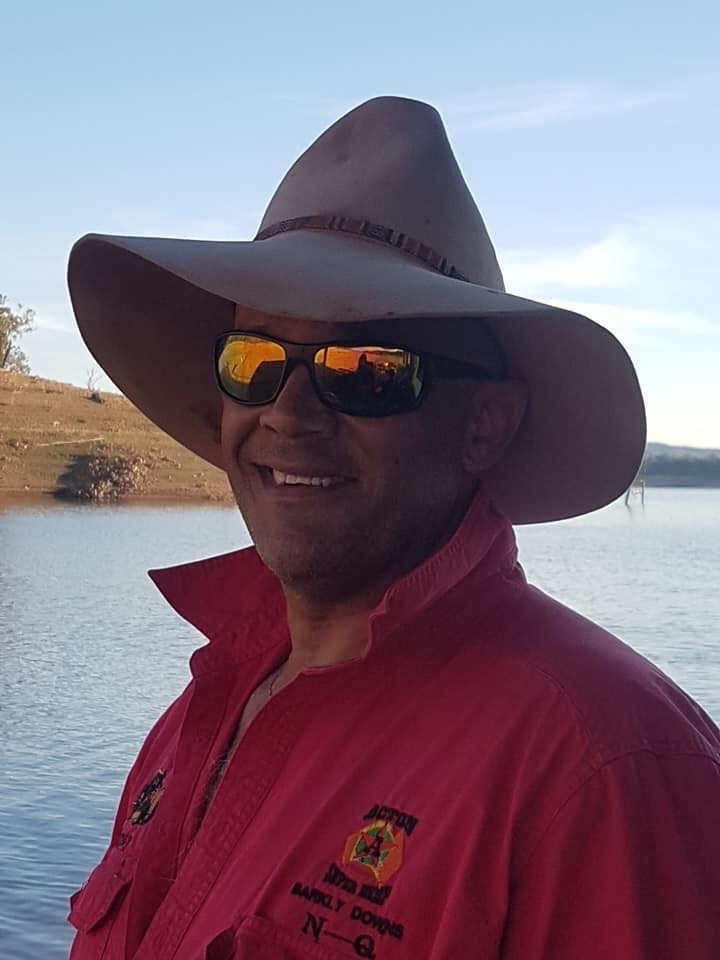
Sydney, 10.01.2022 (Hireup): Aboriginal people, especially those living in regional towns, face additional barriers in accessing disability supports and services that suit their needs. Wayne Wright, of Kamilaroi and Wiradjuri descent, shares his experience of living in Orange (NSW) with mitochondrial autosomal dominant optic atrophy (DOA), an inherited optic neuropathy, that has rendered him legally blind and also impacted his hearing and nervous system.

The disease, which he inherited from the maternal side of his family, began to have an impact on his daily life around the age of 16. Determined, he pursued his father’s occupation and drove heavy machinery in the Top End for nearly two decades until his condition began to worsen.

“At 39, my driving license was revoked. I was compelled to choose a different career so I enrolled in a community service course at TAFE. It has opened a rewarding career pathway, but because I only have 20/13 vision and can’t hear properly, I cop a lot of abuse in the community on a daily basis. This has been emotionally draining and detrimental to my mental health”, says Wright.

Continue reading

Aboriginal-driven research is a must for Indigenous say in disability policy, says John Gilroy

By Neena Bhandari

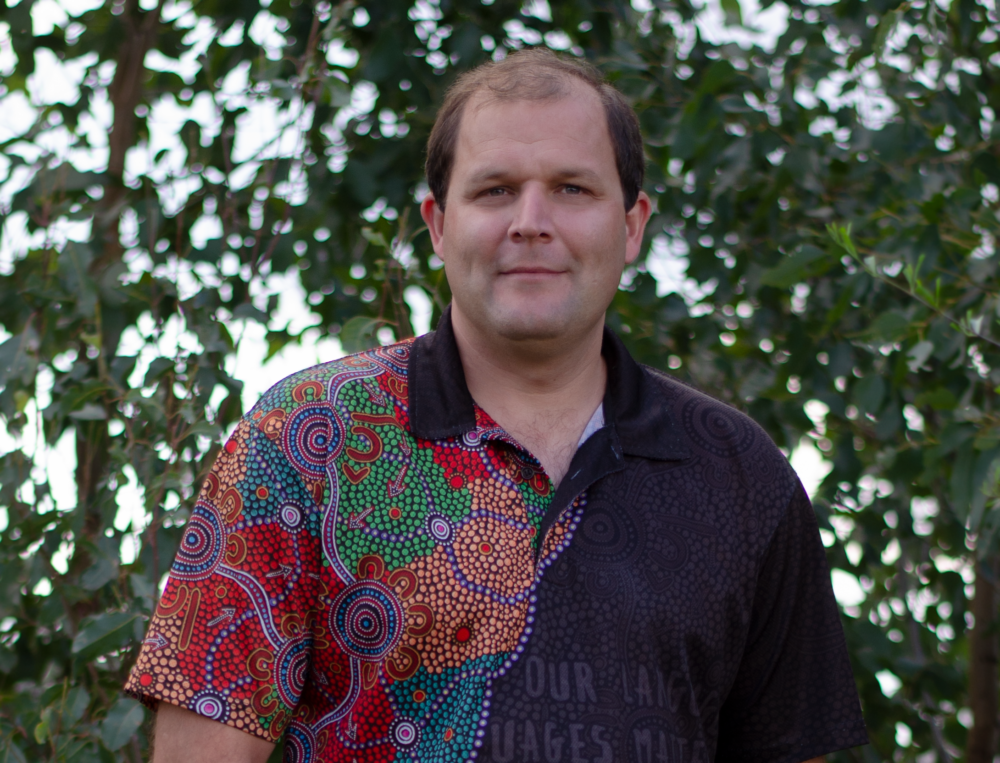
Sydney, 04.01.2021 (Hireup): Aboriginal-owned and driven research is essential to enable Indigenous people to have a voice in disability policy, says John Gilroy, a Koori man from the Yuin nation. His lived experience of growing up with a significant speech impediment, linked to a chronic respiratory condition, has made him a passionate advocate of Aboriginal and disability rights.

He recommends the National Disability Insurance Agency (NDIA) should invest more resources into building and up-skilling the current National Disability Insurance Scheme (NDIS) planning workforce and the Aboriginal community-controlled services sector.

“The NDIS is built on a white fella capitalist viewpoint of purchasing services and working on for-profit market-based philosophies. This goes against the grain of how many Aboriginal people want to engage with services and supports relating to their disabilities or being carers of people with a disability,” says Gilroy, associate professor and deputy director of Aboriginal and Torres Strait Islander Research at the University of Sydney.

Continue reading