
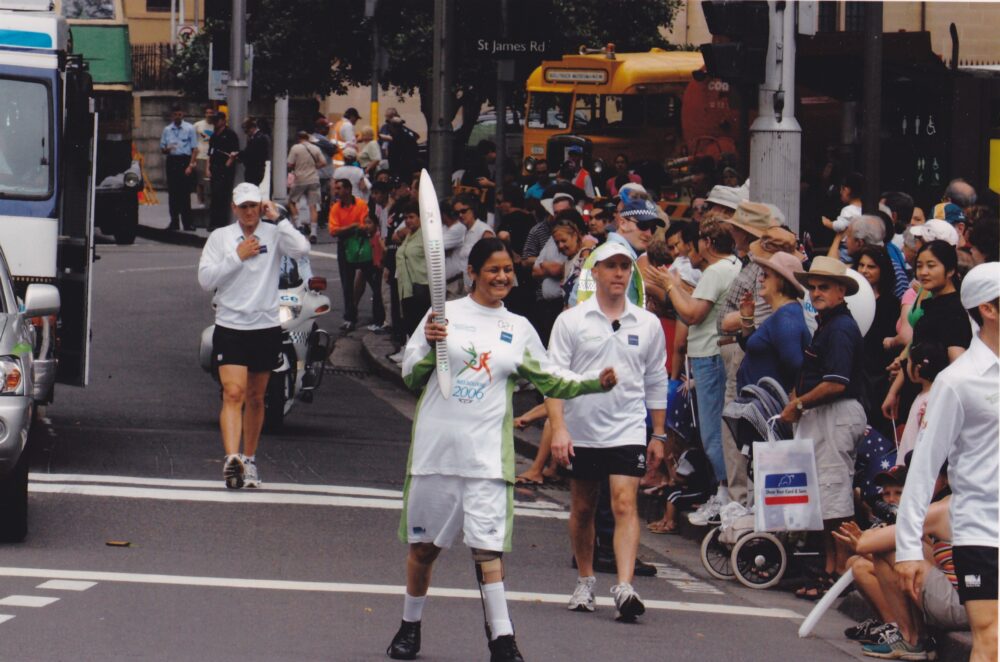
Walking for the Commonwealth

By Neena Bhandari

Sydney, 26.03.2006 (The Hindu): On a balmy Sydney afternoon in November 2005, a phone call changed the way me and my family would henceforth celebrate January 26.

Throughout my growing up years, Indian Republic Day held a special significance. We would spend long hours practising national songs on the flute as our school band marched through the streets of Ajmer into the main city stadium. There was a sense of immense pride in witnessing the tricolour unfurl as we played the national anthem. The bundi laddoo we received after all the fanfare was over, continues to be my favourite.
Continue reading

Daulat Mal Bhandari – a freedom fighter, politician, judge & a humanitarian

(16th December 1907 – 10th January 2004)

Many years ago, while dropping me at our ancestral home in Jaipur, capital of the western Indian state of Rajasthan, a rickshaw-puller Abdul Hamid (name changed) asked if it was Daulat Mal Bhandari’s home. When I pointed towards babusa (an endearing address for the head of family), who was sitting in the garden, reading in the diminishing warmth of the winter sun, Hamid’s face lit up. He told me that he, along with most people in his community, had cast their vote to babusa in the 1952 Lok Sabha elections. India had just become a Sovereign Socialist Secular Democratic Republic with a parliamentary form of government after decades of British rule (1858-1947). Hesitantly, Hamid asked if it was possible for him to pay his respects to Bhandari saheb. Babusa, made him sit on the chair opposite him and they shared a cup of tea over a yarn. Such was his humility.

This is an attempt to sketch the life and times of a man, my paternal grandfather, who rose to fame by sheer excellence of his calibre, diligence and perseverance. His razor-sharp memory, quick wit and amiable nature earned him the love and respect of one and all.

Continue reading

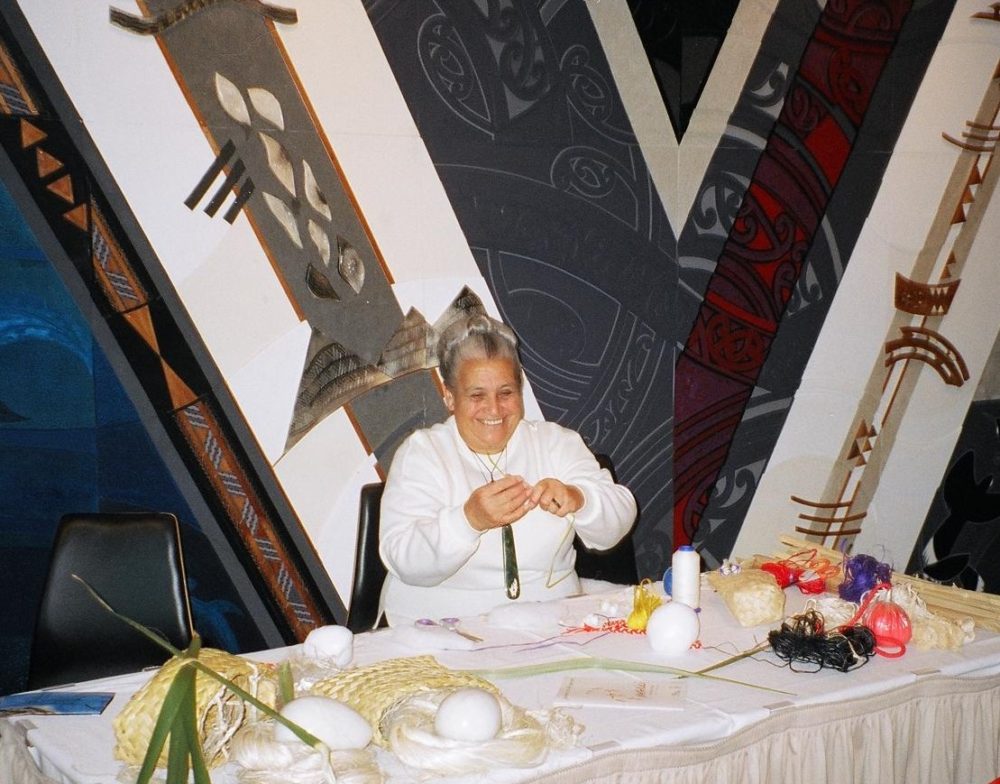
Maori Treasures

By Neena Bhandari

Wellington, 03.12.2005 (The Australian): In the freezing cold, a mellifluous voice penetrates the stillness as we are treated to a traditional Powhiri or Maori welcome ceremony before being ushered into the Maori Treasures complex near Wellington.

Powhiri is the protocol for establishing a new relationship with all the five senses – sight, sound, smell, touch and taste. The ceremony is completed with a Hongi or pressing of noses, which acknowledges sharing the same air and touching foreheads, signifying sharing the same knowledge. After this, from a visitor one becomes tangata whenua (people of the land).

Continue reading