By Neena Bhandari
Fontainhas, the Latin Quarter of Panaji (Goa), is a unique living heritage. During my sojourn in this charming neighbourhood, I meet members of ancestral Goan families, who take pride in preserving their heritage and care for their traditional homes. Through the voices of its residents, beginning with Jack Sukhija, Partner at WelcomHeritage Panjim Inn, I trace the past of this distinctive cultural enclave, widely regarded as unlike any other in India, and examine what is needed to conserve it for the future.
Jack Sukhija, partner at WelcomHeritage Panjim Inn in Fontainhas, recalls growing up in Goa in a tight knit community with plenty of green open spaces, and uncrowded streets and beaches.
“It was an idyllic childhood. Everyone knew each other, which sometimes had its downsides”, quips Sukhija, who hails from a business family. At 19, he stepped up to help his father put one of the small businesses, that had gone bankrupt, back on the rails. This encouraged him to join the family in running the heritage hotel business.
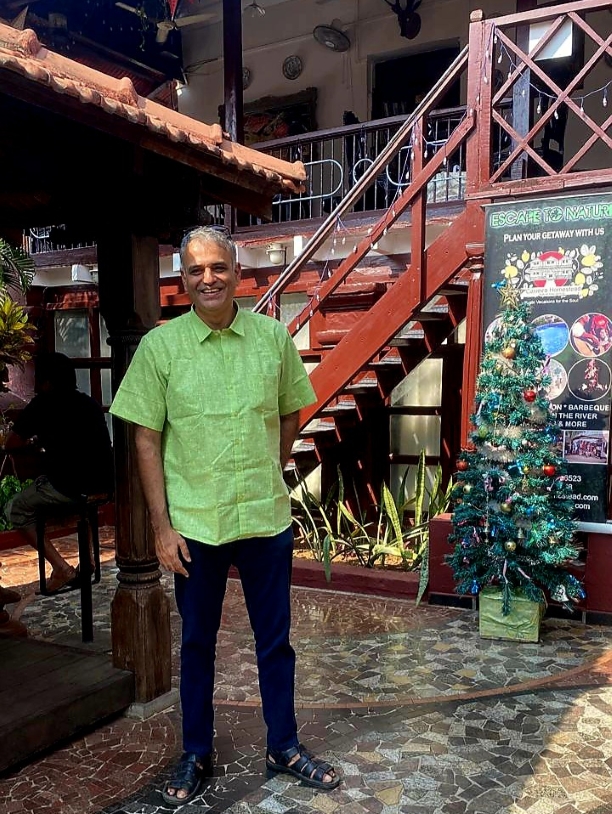
“It provided an opportunity to meet people from all over the world and all walks of life — from Harvard professors to a hippie’s daughter. It was great fun and the business was booming”, says Sukhija, who is Partner at WelcomHeritage Panjim Inn, President of the Travel and Tourism Association of Goa, and Director of Heritage First Goa.
He recalls that at that time, the main industry in Goa was largely mining, which was controlled by five or six oligarchs, who had close ties with the government since the mid-1950s. Most visitors would hang around beach huts. It was not until 1974 that the Taj Group opened the first hotel, Fort Aguada Resort, in North Goa; and infrastructure development began gaining momentum in the lead up to the 1983 Commonwealth Heads of Government retreat in Goa.
By mid-1990s, many new hotels sprung up to cater to affluent European tourists, who began coming in droves during October to March, lured by Goa’s sun-bathed beaches.
“Domestic tourism was still in its nascent stage until about 2004, when India began liberalising trade. It gave rise to a huge number of affluent Indians, who began visiting Panjim for its liberal, affordable and fairly safe nightclubs and discos.
“This spearheaded the real estate boom. Many overseas “hippies”, who had made money, returned to buy old houses and renovate them. It also became the destination, for almost anyone who had surplus cash, to purchase their second and third house. By 2011-12, Goa was becoming very crowded and the COVID-19 pandemic took it to another level”, adds Sukhija.
He notes that foreign guests, mostly backpackers, were fairly easy to please. A comfortable room with heating and hot water, and a beer sufficed their needs. It was low key, unintrusive and manageable business to have in a largely residential locality, such as Fontainhas.
“Tourism has been largely good for the area. It has helped revive old buildings and provided a source of income for the locals. In the last decade, many of the small shops in the area have become gentrified into bars and cafes. However, since the COVID-19 pandemic, growing popularity of Fontainhas has attracted “click bait” Instagram travellers, who will go to any lengths to get a “selfie”. They step into private properties, soil walls, trample plants and drive at high speeds. This is making the residents very unhappy as they have to bear the cost of maintaining these places”, says Sukhija.
“Perhaps, we need a less intensive form of tourism with regulations to ensure visitors respect the residents’ space and care for the place. This is essential to conserve Fontainhas’ unique vibe, which is unlike anywhere else in the country”, he adds.
Fontainhas is still 90 percent Goan-owned. It is divided into four wards, which comprise the Latin Quarter and the conservation zone: São Tomé, Fontainhas, Mala and Portais. He cautions that the biggest risk to Fontainhas will be from climate-driven sea level rise. “During high tide, water seeps into our ground floor rooms; roads get inundated during heavy rains; the temperature is rising and the number of extremely hot days is increasing,” says Sukhija.
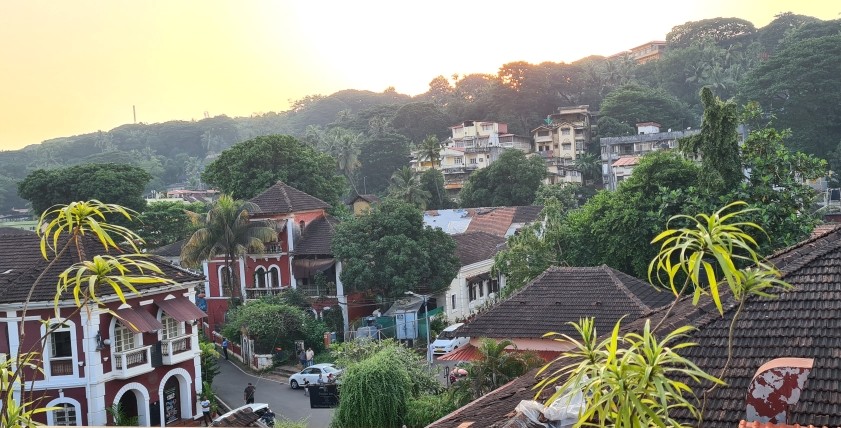
These buildings are over 100-years-old. They retain their original character, with only minimal structural modifications made to enhance comfort. There is limited natural light, reflecting the inward-facing design typical of traditional Konkan architecture.
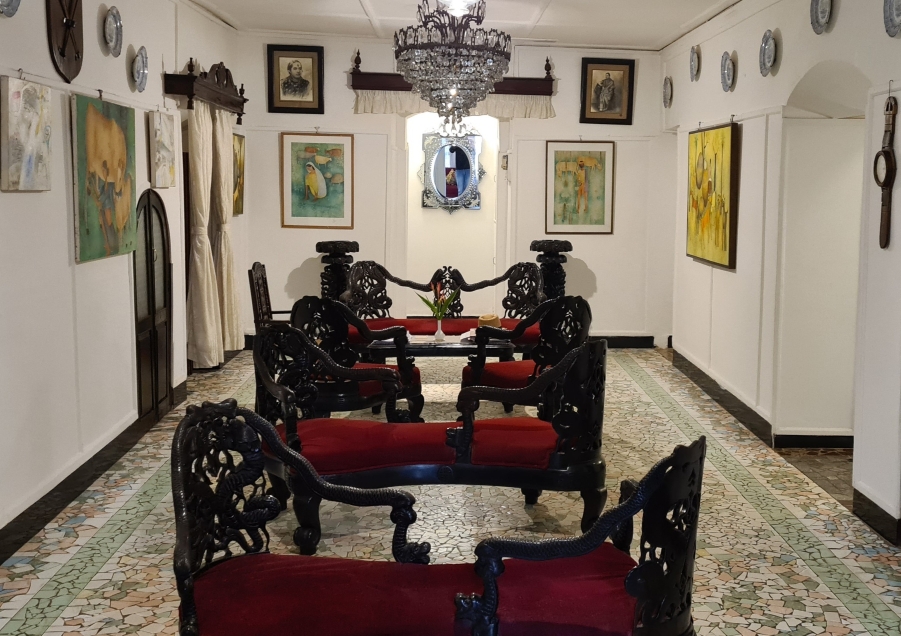
The older wing of the WelcomHeritage Panjim Inn, officially classified as a heritage hotel by the Ministry of Tourism, is part of the ancestral family home, built in the mid-1880s. It has 24 guestrooms. Sukhija’s father, an engineer, had initially considered converting it into a hospital, given that nearly everyone else in the family was a doctor. Instead, he decided to rent two rooms and run it as a guesthouse. Soon, he realised the joy of making an old building come alive.
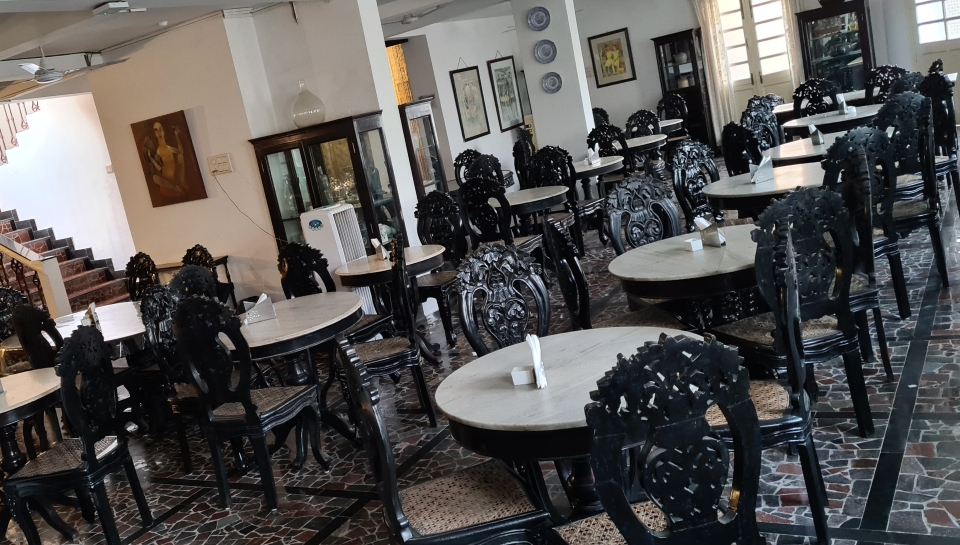
In 1996-97, he bought and renovated an adjacent building, Panjim Posada, which had fallen into decay due to family infighting. WelcomHeritage Panjim Pousada has nine guestrooms
The third building was the first English medium school in Fontainhas until 2004. Now WelcomHeritage Panjim Peoples, it houses an art gallery, a conference room and four guestrooms on the top floor
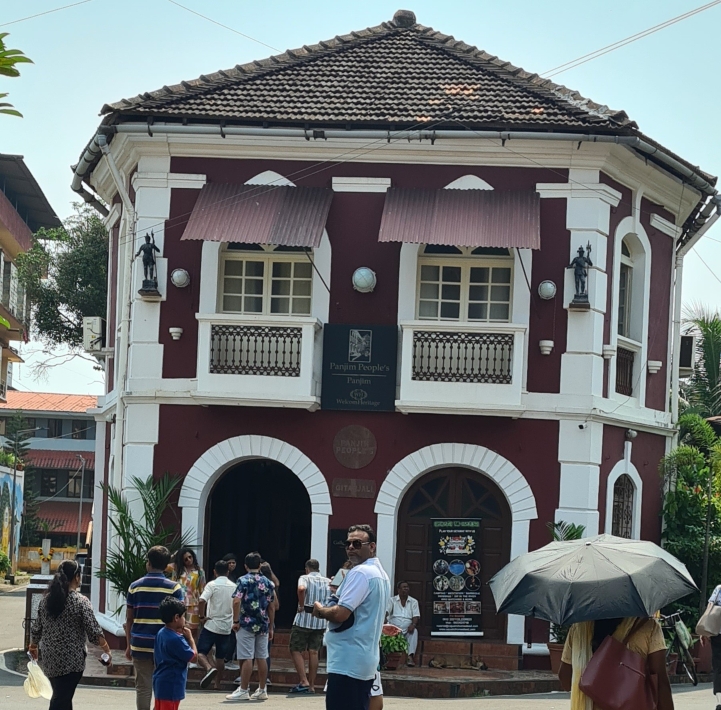
When Sukhija’s father started here, locals were moving out because they felt the best days of Fontainhas were over. But as time elapsed and tourism guidebooks began highlighting Fontainhas, many small family businesses began popping up.
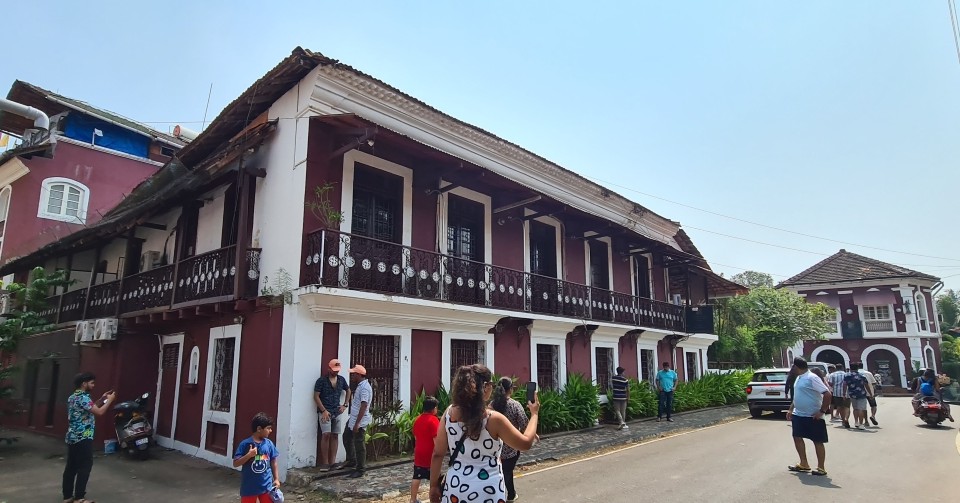
“I’m the fifth generation to live in this house, but second generation running the business. My children, who have never lived here, have a close affinity with the house because they spent their afternoons here after school while my wife worked at the gallery,” says Sukhija.
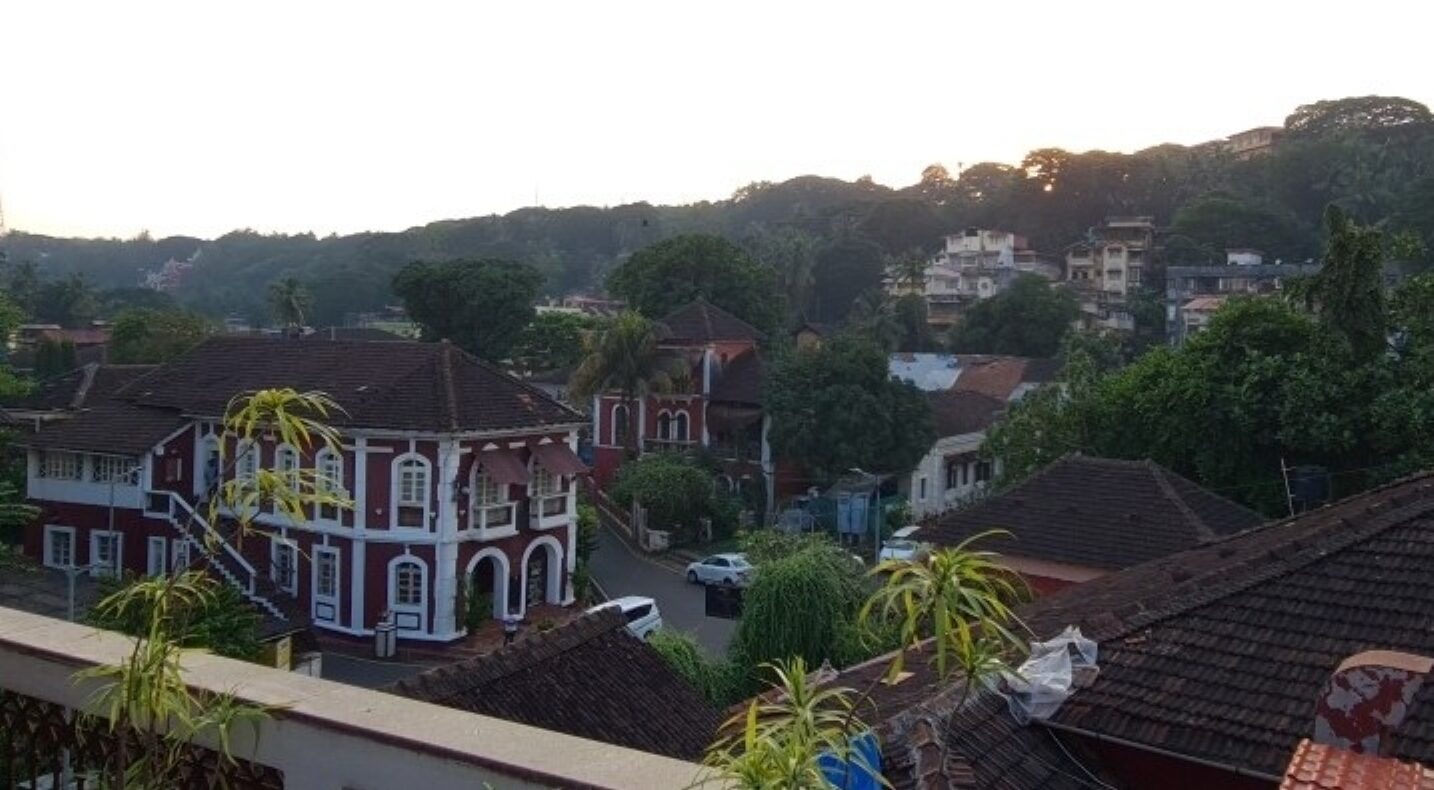
Communal engagement has been at the very heart of Fontainhas’s social fabric, with the white-washed Saint Sebastian chapel continuing to serve as the epicentre of gatherings and celebrations. The neighbourhood’s bright hued Indo-Portuguese houses and narrow winding lanes, dotted with flowers and foliage, create an atmosphere of intimate charm.
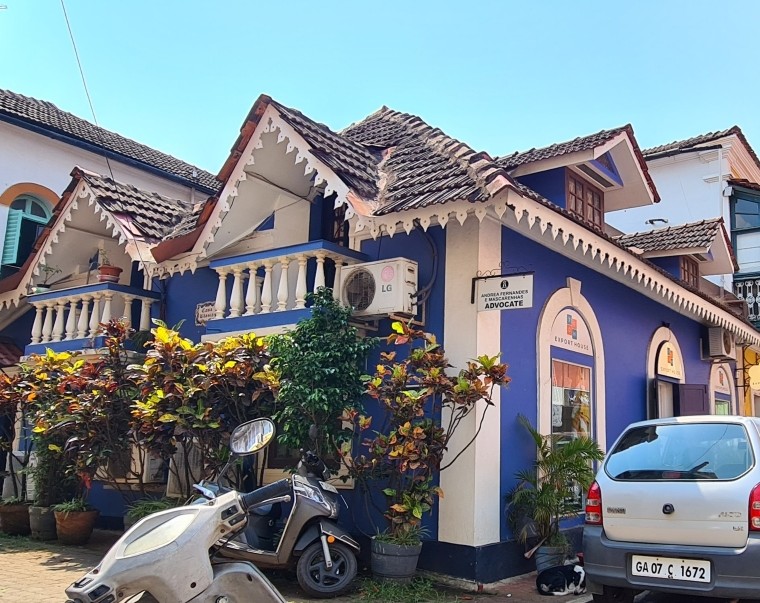
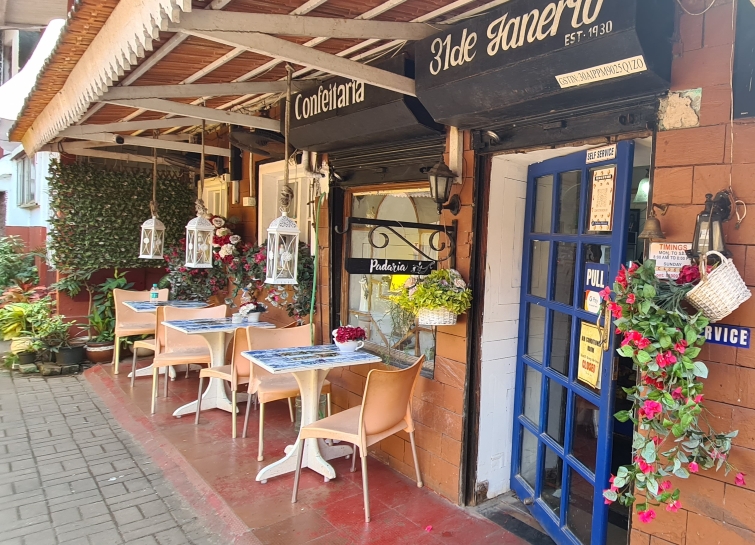
This historic quarter is today replete with thoughtfully curated restaurants, cafés and boutique stores, which are a magnet for domestic and international travellers. Designated as a heritage conservation zone, it’s the residents, who remain central to preserving its architectural integrity and cultural essence.
Also read: Goa’s green design warriors Part III – Arminio Ribeiro
© Copyright Neena Bhandari. All rights reserved. Republication, copying or using information from neenabhandari.com content is expressly prohibited without the permission of the writer and the media outlet syndicating or publishing the article.
You May Also Like