Category Health & Science

Polio survivors face biggest fight of their lives

By Neena Bhandari

Sydney, 23.10.2024 (SciDev.Net): Every year, 24 October is observed as World Polio Day, while the whole month is designated to raising awareness of the disease. Polio or poliomyelitis is a highly infectious, crippling and sometimes even fatal disease, which mainly affects children under five, and can be prevented with a vaccine. In 1988, the World Health Assembly, WHO’s decision-making body, committed to eradicating polio and this is close to being achieved.

The awareness day and month emphasise the importance of maintaining high immunisation coverage to protect every child from this disease and prevent it from returning. But it is also an opportunity to highlight the lifelong consequences faced by those who survived the disease and the urgent, less understood and often neglected need to invest in their medical care and rehabilitation.

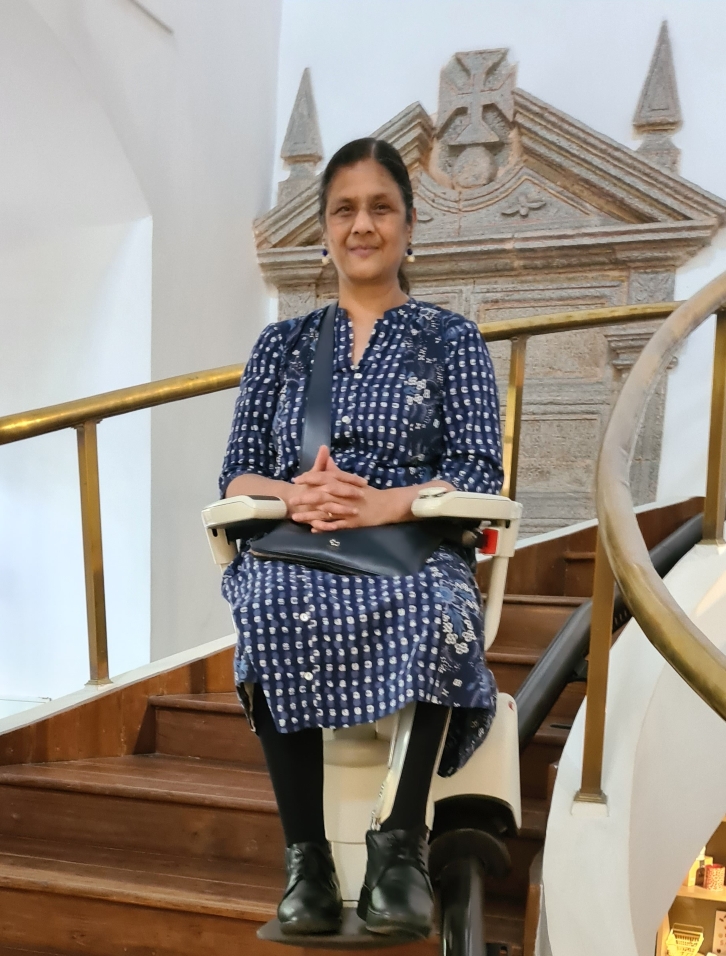
Many polio survivors, including those with non-paralytic polio or undiagnosed polio, face the threat of debilitating late effects of the disease several decades after their initial illness. They are at risk of experiencing the Late Effects of Polio (LEoP) and/or its subset Post-Polio Syndrome (PPS), which can lead to decreased mobility and muscle function.

Continue reading

Blue economy must benefit fishing communities in Global South: WorldFish Chief

By Neena Bhandari

Sydney, 07.06.2024 (IPS): The Global South is crucial for ensuring aquatic food security to feed the growing world population. It is imperative that blue economy initiatives benefit fishing communities in developing and small island nations, which are facing disproportionate impacts of climate change, says Dr Essam Yassin Mohammed, Director General of WorldFish, an international non-profit research organization based in Penang, Malaysia.

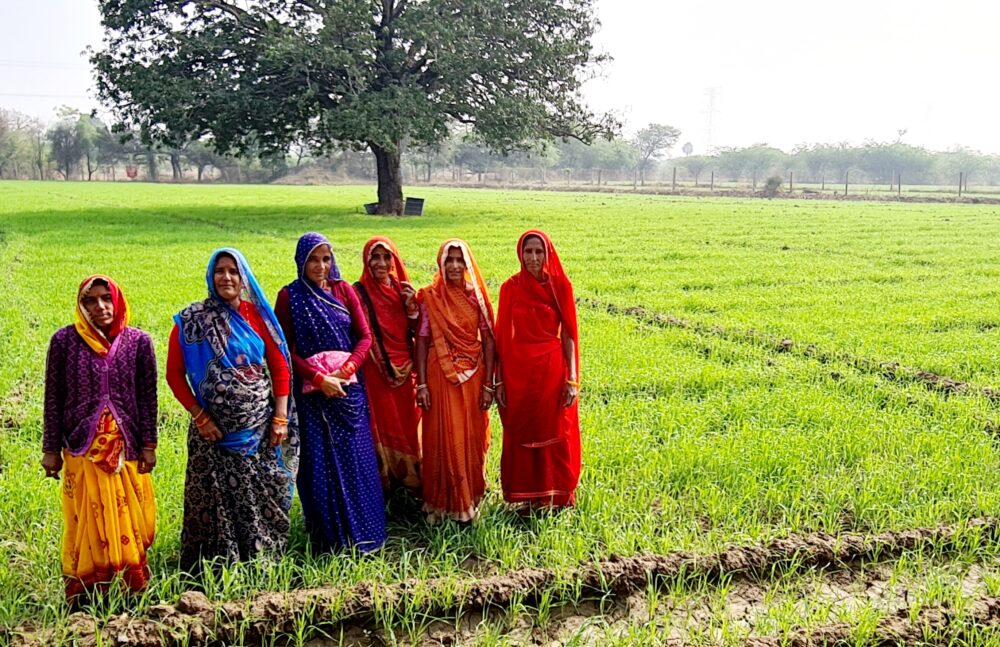
“More than three billion people depend on aquatic foods as their main source of protein and micronutrients, and nearly 800 million people rely on fishing for their livelihood. The Global South produces a significant portion of the world’s aquatic food and 95 percent of the fishing workforce comes from these regions,” notes Mohammed, who is also CGIAR’s Senior Director of Aquatic Food Systems.

Growing up in Eritrea’s capital, Asmara, situated on a highland plateau 2325 meters above sea level, Mohammed learned the value of food early in life. The country had recently gained independence from Ethiopia in 1991, and young children like him were motivated to contribute to the nation’s food security.

Continue reading

AI forecasting deployed to predict Nepal landslides

By Neena Bhandari

Sydney, 07.06.2024 (SciDev.Net): A landslide forecasting system driven by artificial intelligence (AI) is being rolled out in Nepal, one of the most landslide prone countries in the world, as the monsoon season approaches.

Devastating landslides in Papua New Guinea last month show the need for better forecasting and early warning systems to protect lives and properties, especially in mountainous developing countries in Asia Pacific which lack dedicated disaster monitoring systems and the means to communicate risks to the population.

In Nepal, more than 80 per cent of land is on a slope and much of it was destabilised during the 2015 earthquake in Gorkha, which killed around 9,000 people, according to project lead Antoinette Tordesillas from the University of Melbourne. “With the monsoons due anytime now, we are helping policymakers and risk managers better prepare for future monsoons when increasingly frequent and heavy rains can trigger more devastating landslides,” she said.

Continue reading