Category Health & Science

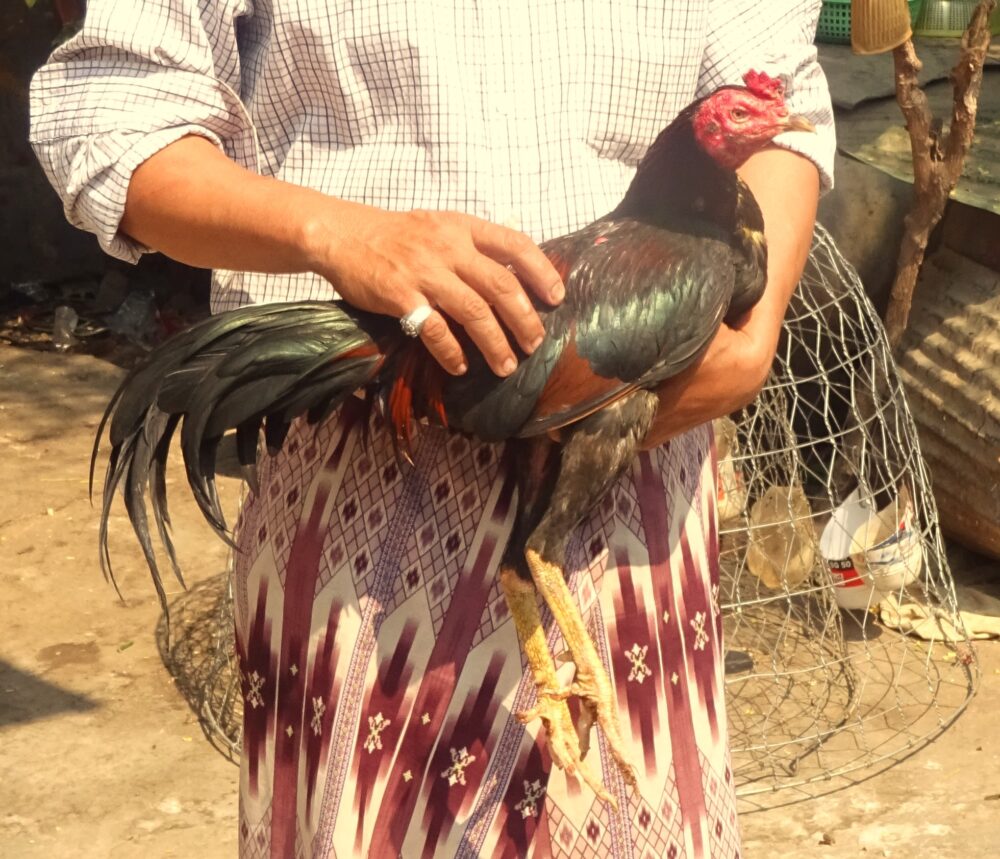
No ‘human-to-human infection’ of bird flu in Cambodia

By Neena Bhandari

Sydney, 02.03.2023 (SciDev.Net): Cambodian health authorities have confirmed that the two avian flu cases last week in Prey Veng province were “infected from birds in their village” and that “no transmission between father and daughter has been found”.

“As of today [1 March], there is no evidence of human-to-human transmission in Cambodia and the response is still ongoing,” Ailan Li, WHO Representative to Cambodia, told SciDev.Net following the death of an 11-year-old girl from the virus. “While there have been a few infections in humans globally, so far, the virus is not known to spread from person to person easily.”

The infection, which largely affects birds and animals, has a 50 per cent mortality rate in humans. Globally, 873 human cases of H5N1 and 458 deaths have been reported in 21 countries since 2003, according to the UN health agency.

Continue reading

Women, youth are ‘unseen leaders’ in rural Indonesia

By Neena Bhandari

Sydney, 24.02.2023 (SciDev.Net): Women and young farmers can spur others to implement new sustainability and development initiatives, even though they are less likely to be seen as opinion leaders in their local communities, according to a study.

Women make up 43 per cent of the global agricultural labour force, but face significant discrimination when it comes to land ownership, access to credit and financial services, and participation in decision-making, according to the Food and Agriculture Organization of the United Nations (FAO).

For the study, published this month in the journal Agriculture and Human Values, researchers surveyed about 2,000 farmers on the island of Sulawesi in Indonesia and asked them to identify leaders they would consult for advice and information in their smallholder farming communities. These leaders, largely older men, were then asked to convince other farmers to use pruning scissors to improve the health of their cocoa trees.

Continue reading

What clinicians need to know when treating polio survivors

By Neena Bhandari

Sydney, 16.02.2023 (The Medical Republic): While Australia was declared polio-free in 2000, there is a major need to invest in medical care of many of the tens of thousands of people, who contracted poliomyelitis (polio) during the 20th century polio epidemics and are now experiencing what is known as the “late effects of polio” (LEoP) and its subset, the post-polio syndrome (PPS).

“Late effects of polio” is an umbrella term which includes the onset or worsening of residual muscle weakness, joint and muscle pain, severe fatigue, intolerance to cold temperatures and a range of biomechanical symptoms, such as osteoporosis and scoliosis, that occur usually 15 to 40 years after a person contracted the disease. Its subset, the post-polio syndrome, is a diagnosable neurological condition. Its symptoms cross over with late effects of polio and may also include loss of function and difficulties with sleeping, breathing and swallowing.

Most survivors of paralytic polio, and many of those who had non-paralytic polio and people who were never diagnosed with polio, are at risk of experiencing the late effects of polio or post-polio syndrome. Continue reading