
Category Gender

Want to smash the pay gap? Here’s why it requires collaboration

By Neena Bhandari

Sydney, 18 November 2016 (HRM): Workplace Gender Equality Agency (WGEA) Director Libby Lyons argues the pay gap is cause for concern – for men and women. “Too often, the phrase gender equality is code for women’s equality, but men have their own challenges in the workplace that we need to address as well,” she says.

Elizabeth (Libby) Lyons has been director of the WGEA for just over a year now, so it’s a good time to take stock, particularly given the recent figures showing the gender pay gap hasn’t altered much and is currently at 16.2 per cent. But Lyons is a pragmatist.

“The pay gap has hovered between 15 and 19 per cent for the past two decades. We need to be realistic; it’s not going to change overnight. My focus is on working with employers to create a sustainable momentum for change,” she says.
Continue reading

Women truckers making a mark in resource-rich Australia

By Neena Bhandari

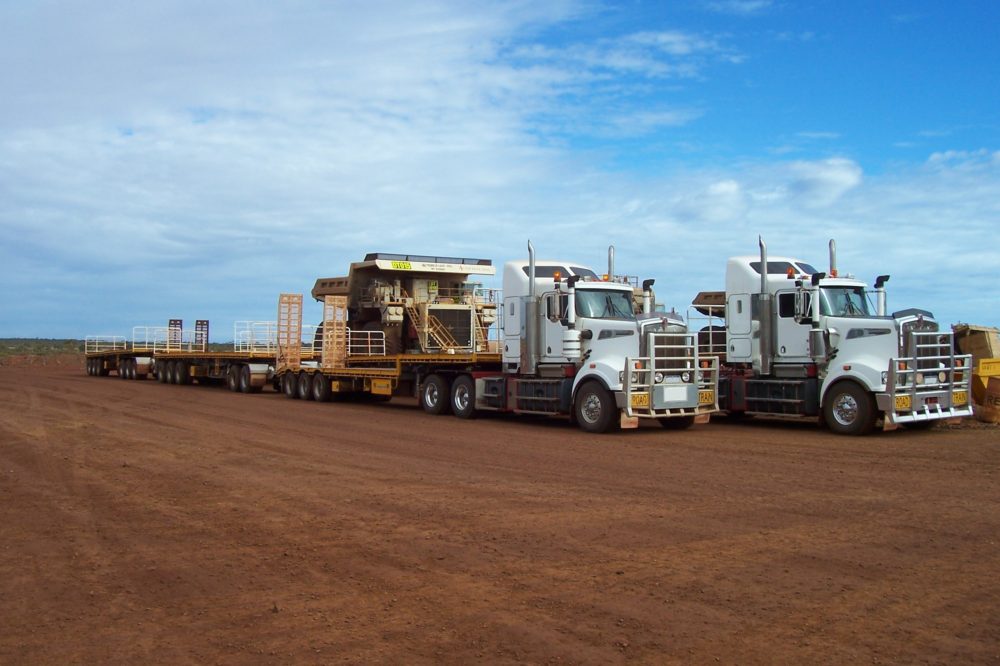
Karratha (Western Australia), 15.11.2013: Growing up on a farm, Rosalie Hann would watch the haul trucks come in to collect wool bales and livestock. She would dream of one day driving these mammoth lorries herself. Today, the 39-year-old is an owner operator of a truck, subcontracting to Toll Energy in Dampier in the resource rich Pilbara region of Western Australia.

Rosalie is delighted to own and operate her own equipment in what is otherwise a very male-dominated industry. While women comprise about 50 per cent of the Australian population, they only make up around 10 per cent of the mine workforce. According to the Australian Bureau of Statistics’ (ABS) Labour Force Estimates for February 2010 quarter, there were 23,260 women employed in the mining industry and 4,483 of them were truck drivers.

Continue reading

Hungry sands no more

By Neena Bhandari

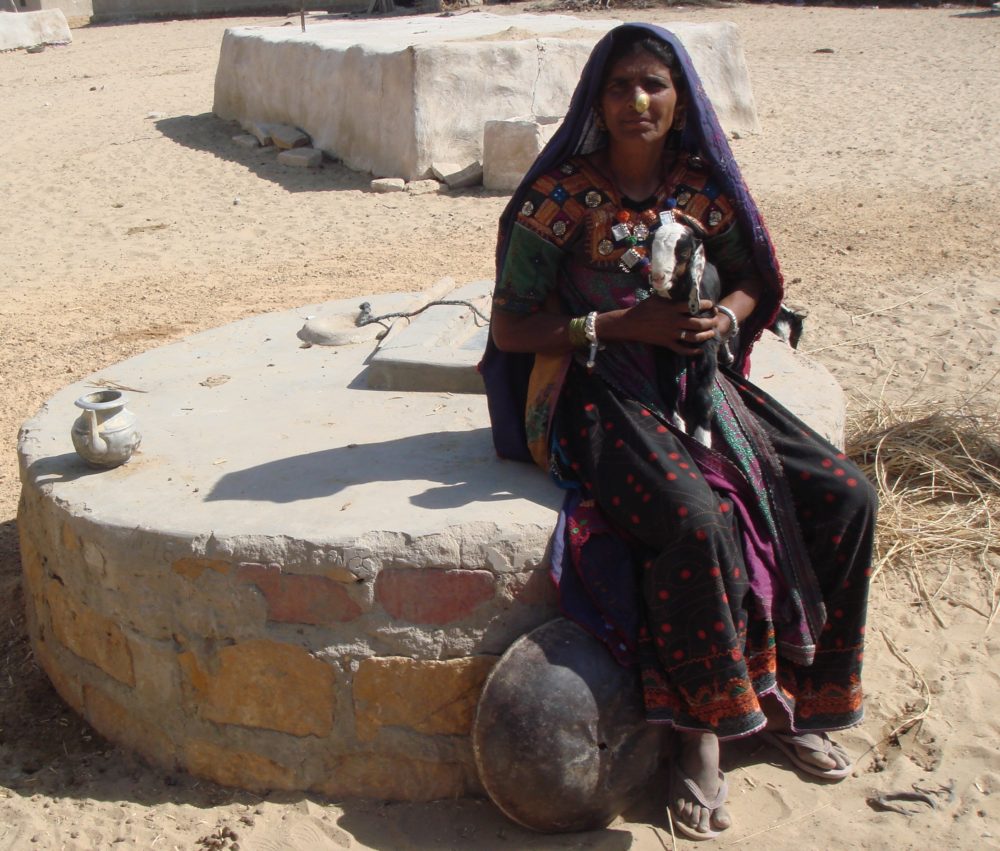
Mohangarh, (Jaisalmer District, Rajasthan, India), 29.03.2012 (The Hindu Businessline): Not long ago, the remote communities in Jaisalmer district eked out a living from a single annual crop of millet (bajra), dependent on the mercy of rain gods. The 48 degree centigrade heat of the harsh summer sun, frequent sandstorms and no water posed a major challenge for survival. Droughts and the spectre of camel and livestock bones strewn on the sand dunes was a common phenomenon. But the advent of the Indira Gandhi Canal Project (IGNP) in the mid-1980s transformed the landscape and its inhabitants.

Continue reading