
Category Gender

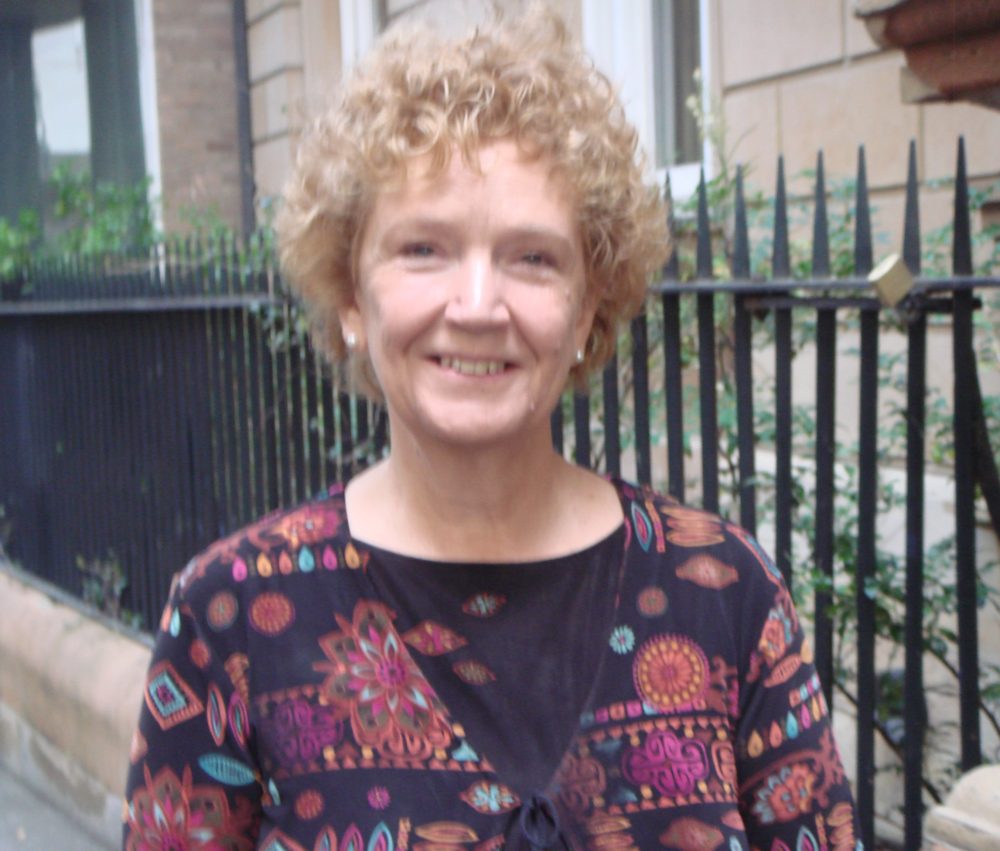
Healing touch for Congo’s women

By Neena Bhandari

Sydney, 27.01.2010 (Women’s Feature Service): Kamina Feza is one of the many women brutally raped and abandoned with serious injuries each day in the conflict ravaged Democratic Republic of Congo (DRC), where gender-based violence is systematically being used as a weapon of war by the military and militia.

Some 1,100 rapes are reported each month, with an average of 36 women and girls raped every day, noted United States Secretary of State, Hillary Clinton, during her recent visit to Goma, a provincial capital in eastern DRC, where Lyn Lusi, a social activist, along with her husband, a Congolese orthopaedic surgeon, Dr Jo Lusi, have established HEAL Africa, a health service to treat and care for these women.
Continue reading

Indigenous Tiwi women strive to improve their lot

By Neena Bhandari

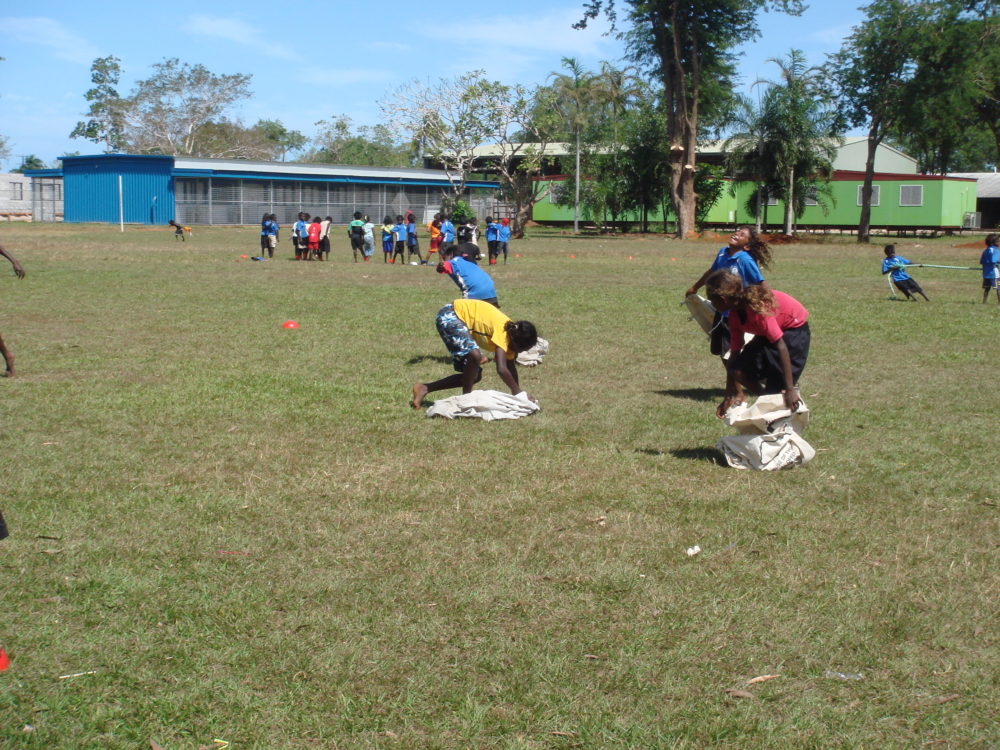
Tiwi Islands (Australia), 03.11.2009 (Women’s Feature Service): Lynette De Santis, 45, was surprised when in October last year, she became the first elected Mayor of the Tiwi Islands Shire Council comprising Bathurst and Melville Islands with a largely indigenous Aboriginal population of 1,495 and 434. She had conquered what had thus far been a male bastion.

“It had become the norm that men would be chairperson, mayor or president so I was amazed when I was elected the first female Mayor. I have always stood up for the interests of my people and I suppose this resulted in my victory”, says De Santis, who was born and bred in Northern Territory’s capital Darwin and returned home to the islands in 1985.

Continue reading

Women’s courage help revive Outback community

By Neena Bhandari

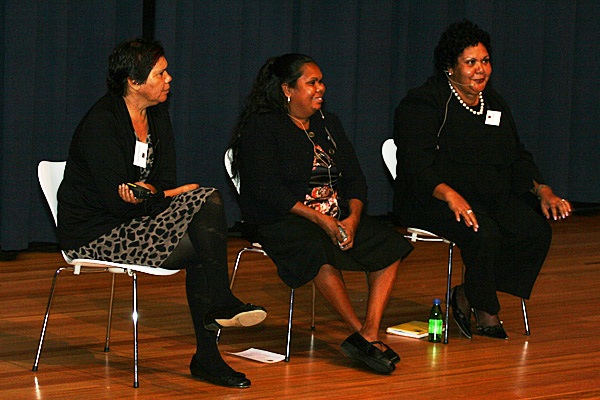
Sydney, 15.06.2009 (Women’s Feature Service): Indigenous Aboriginal women from the remote Western Australian town of Fitzroy Crossing have saved their community from the scourge of alcohol abuse, domestic violence and foetal alcohol syndrome by successfully fighting for alcohol restrictions in the region. The town has a total population of 928 persons, with 67.3 per cent Indigenous persons.

In 2007, a group of courageous Aboriginal women in the outback town of Fitzroy Crossing decided enough was enough. Their community had experienced 13 suicides in 13 months and many premature deaths. Family violence and child abuse were rife and alcohol consumption was rising at an alarming rate.

“Growing alcohol consumption was decimating our community, which was numb with grief. So a group of us women, who feel strongly about social issues and want to improve the health and happiness of our community, supported by some men, made the hard decisions and collectively fought for alcohol restriction,” informs Emily Carter, Chairperson, Marninwarntikura Women’s Resource Centre‘s (MWRC). The MWRC led this movement against alcohol from the front.

Continue reading