
Category Disability

Why we need to bolster My Aged Care to come at par with the NDIS

By Neena Bhandari

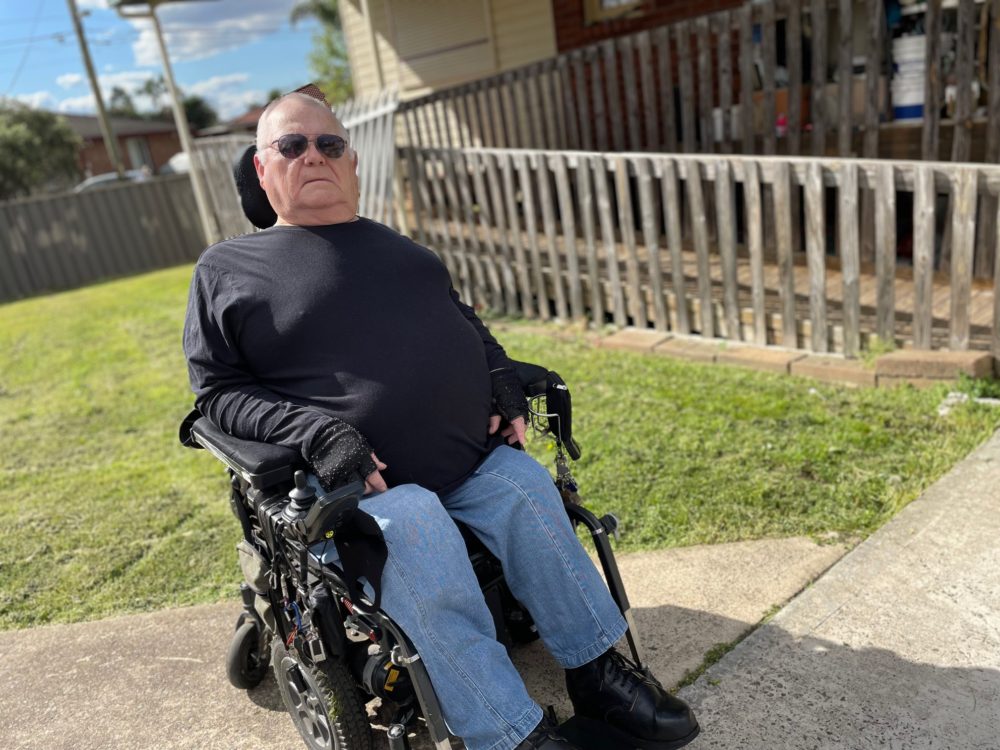
Sydney, 20.10.2021 (Hireup): George Laszuk is among thousands of Australians with a disability who are not covered by the National Disability Insurance Scheme (NDIS), which excludes people over the age of 65.

He missed the NDIS safety net by less than a year. “It came as a bombshell. I felt cheated. We had campaigned for it for so many years. Until today, it has never been made clear as to why we were excluded,” says Laszuk, who contracted poliomyelitis at 11 months of age in 1951. October is polio awareness month.

He is now experiencing Post-Polio Syndrome and requires a powered wheelchair and assistance with showering and daily chores. His My Aged Care package barely meets his daily needs despite him being in the highest category of the program.
Continue reading

Is NDIS the gold standard for disability care in the world?

By Neena Bhandari

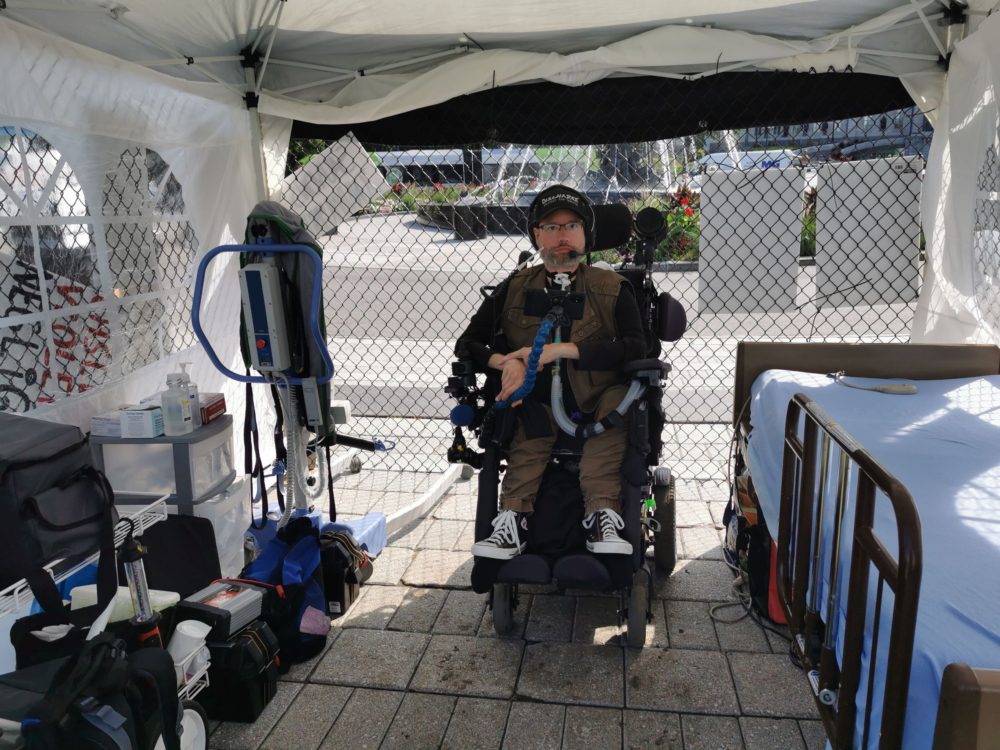
Sydney, 23.08.2021 (Hireup): Australia’s National Disability Insurance Scheme (NDIS) is said to be a ‘game changer’ for people with disabilities and their families, but how does it hold up on the global stage? I spoke to three leading disability organisations in Canada, the United Kingdom and Singapore to find out what supports are available in their countries. Are they advocating for a universal, person-centred scheme which offers people with disabilities more ‘choice and control’ over the care and services they receive?

Every Canadian Counts Coalition (ECCC) board member Jonathan Marchand says: “[The] NDIS is an example to follow. In Canada, there is no centralised funding for services and support for people with disabilities. It is left to the provinces and there’s a patchwork of support that, for the most part, hasn’t been updated for decades now. In some places, you will even struggle to get funding for a wheelchair”.

Continue reading

Difficulties Australians of CALD backgrounds face in accessing the NDIS

By Neena Bhandari

Sydney, 21.06.2021 (Hireup): Twenty-five percent of Australians with profound or severe disability don’t speak English at home but most of the information provided by the NDIS is in English. So how do people from culturally and linguistically diverse (CALD) backgrounds access the needed supports in their plan?

The term ‘CALD participants’ refers to participants of the NDIS who don’t use English as the primary language at home. Historically, Australians from CALD backgrounds have been underrepresented in the disability sector.

According to the National Dashboard in 2020, there were 40,391 people from CALD backgrounds; 9.3 percent of the 442,209 people nationally on NDIS. And further data shows that CALD participants are utilising 66 percent of their plans on average compared to 68 percent for non-CALD participants.

Continue reading