
Category Climate Change

COVID-19 bans hit women’s access to water in Pacific Islands

By Neena Bhandari

Sydney, 03.05.2022 (SciDev.Net): COVID-19-related restrictions have further exposed inequalities in people’s access to safe water, sanitation and hygiene (WASH) in the Pacific Island countries, especially among women, experts say.

Women and girls have a larger role relative to men in WASH activities, including in agriculture and domestic labour. Ninety per cent of the total population in the Pacific have access to an improved drinking water source, but this rate is significantly lower in rural areas. Kiribati, Solomon Islands and Vanuatu host 81 per cent of the population without access to improved sanitation, according to the CARE Rapid Gender Analysis COVID-19 Pacific Region 2020 report.

“Women and girls feel the impacts first when it comes to lack of access to clean water and hygiene facilities. The impact of climate change, ongoing disasters and the COVID-19 pandemic will increasingly test the resilience of sanitation systems and the availability of safe water owing to floods, droughts and extreme weather patterns, impacting vulnerable communities in our Pacific communities,” says Shirleen Ali, Pacific senior gender and inclusion adviser for CARE International.
Continue reading

Scientists develop wheat types to resist heat, drought

By Neena Bhandari

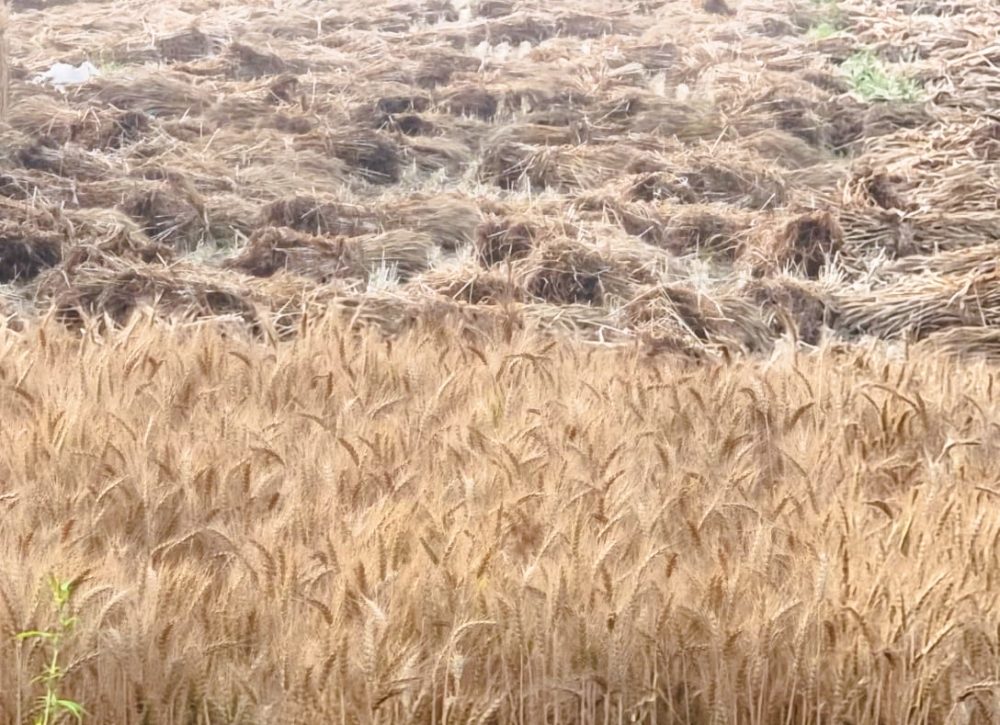
Sydney, 21.03.2022 (SciDev.Net): Australian scientists have identified a novel combination of genetics that may help wheat survive in hot and dry conditions, thereby increasing yields and assisting farmers to adapt to climate change-induced heat and drought stress.

Wheat is the third-largest grain crop in the world, supplying about 20 per cent of the total calories and protein in the human diet worldwide, notes the research by CSIRO, Australia’s national science agency, published in Nature Climate Change on 7 March.

Researchers have identified three novel alternative dwarfing genes that enable wheat seeds to draw moisture stored twice as deep from the soil than current varieties. “We have genetics that can allow us to sow earlier and deeper up to 120 millimetres while keeping the plants short and allowing for very long coleoptile, which is the shoot that grows from the seed to the soil surface,” says Greg Rebetzke, co-author of the study and chief research scientist at CSIRO Agriculture and Food.

Continue reading

How satellite technologies can aid Fiji & other Pacific Island countries to build climate resilience

By Neena Bhandari

Sydney, 23.09.2021 (IPS) – Sepesa Curuki and his community are coming to terms with the prospect of relocation from Cogea village on Fiji’s second largest island of Vanua Levu. Their village, which lies between two rivers that flow into the Pacific Ocean only 2km away, has been battered by intense and frequent cyclones, flooding and erosion, threatening their very existence.

“We are heartbroken to be having to leave our ancestral land, but to survive we must relocate to a safe place”, the 36-year-old school teacher tells IPS on a scratchy phone line, reverberating with the background sound of pelting rain.

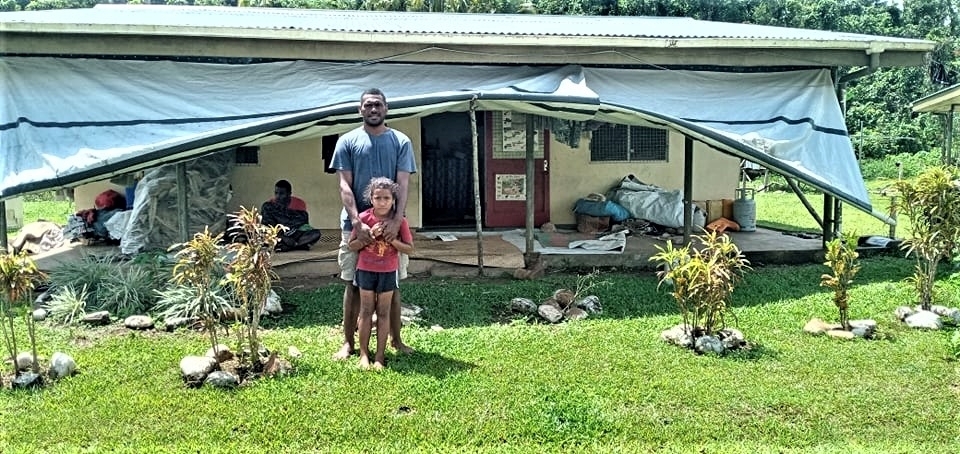
“Our close-knit community of 72 people has experienced three severe tropical cyclones in one year.  TC Harold in April 2020 and TC Ana in January 2021 caused extreme flooding, and TC Yasa in December 2020 completely consumed 23 of the 37 houses in the village. Not even a single post was left standing. The remaining homes, including ours, experienced widespread destruction”, says Curuki, who now lives with his wife, mother, two brothers and four children in a two-bedroom concrete home and a tent.

Continue reading