
Category Climate Change

Low-cost fixes can ease heat stress for garment workers

By Neena Bhandari

Sydney, 24.10.2025 (SciDev.Net): Simple, low-cost interventions could help reduce heat stress for the millions of people who work in garment factories in Bangladesh, where extreme temperatures make conditions unbearable, according to Australian researchers.

Climate change-led extreme heat and humidity is putting the health and earnings of garment workers in Bangladesh and other low- and middle-income countries at increasing risk, say researchers of a study led by the University of Sydney. Their study published in The Lancet Planetary Health on Monday (20 October), reveals how simple, affordable, low-carbon interventions could reduce heat stress and protect workers’ productivity and earnings in Bangladesh’s ready-made garment sector.

The industry employs over 4 million people in the country, about 60 per cent of them women, according to the International Labour Organization. Fahima Akter Beauty, a 24-year-old single mother from Ashulia suburb on the outskirts of Dhaka, has been working for three years in a factory that manufactures knitwear. She feels it is getting hotter and the heat makes her stressed and restless, leading to poor concentration, headaches and drowsiness.
Continue reading

Empowering communities to become groundwater-wise

The writer received a Special Mention for the article at the 2025 Crawford Fund Food Security Journalism Award

By Neena Bhandari

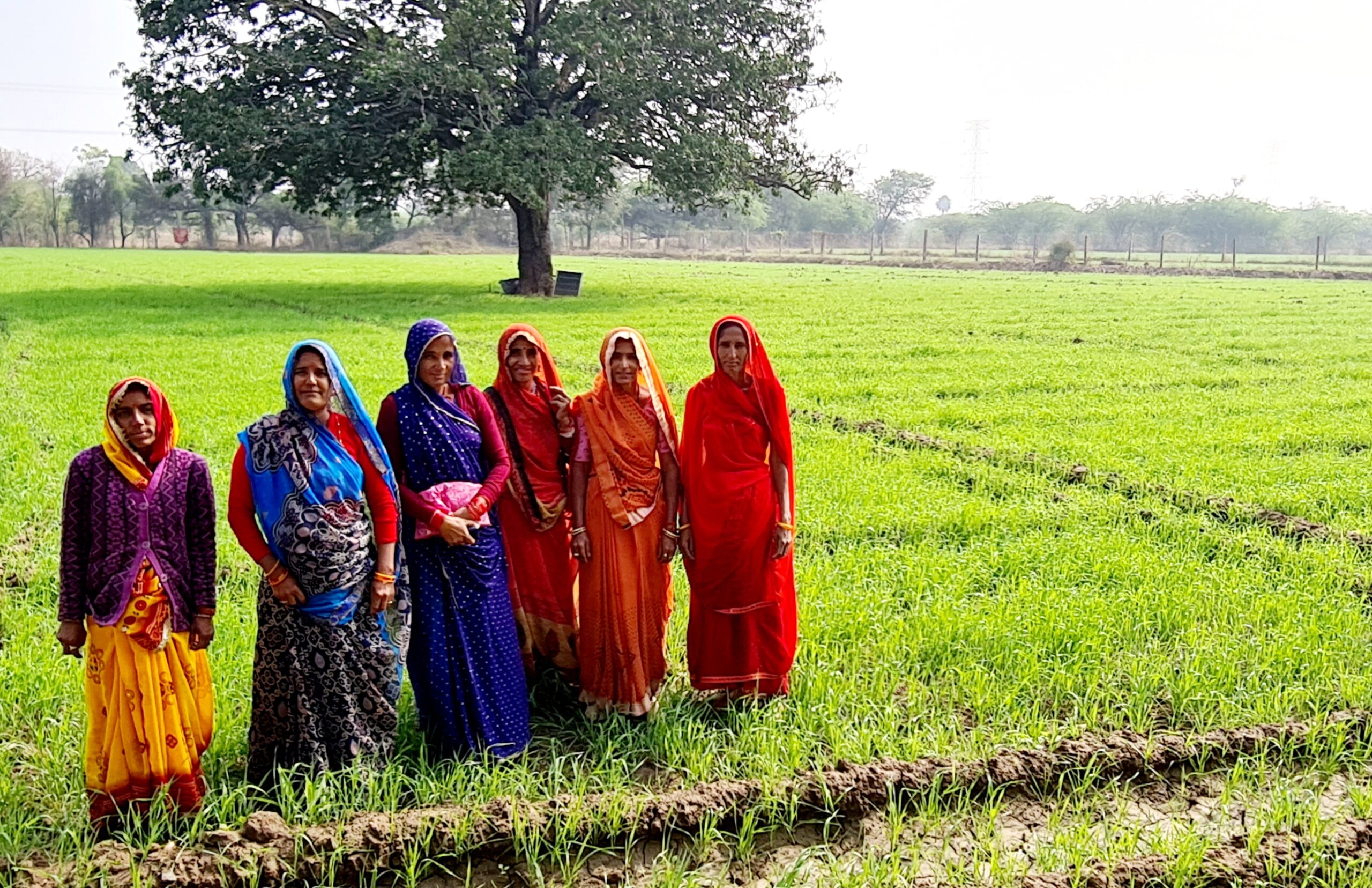
Hinta and Dharta Villages (Rajasthan), 24.10.2024 (Loss and Damage Research Observatory): Tulsi Devi Bhatt, draped in an embellished purple sari and a full sleeve red kurti (top), navigates her way through the wheat fields in Hinta village in the western Indian state of Rajasthan’s Udaipur district. She is on her weekly mission to measure water level in the dug wells – the quantity of water is critical for the food security and livelihood of her community.

Hinta is part of the two multi-village, hard rock aquifer watersheds – the 6400-hectare Dharta watershed in Rajasthan and 5000-hectare Meghraj watershed in Gujarat, where MARVI – Managing Aquifer Recharge and Sustaining Groundwater Use through Village-level Intervention – project has been instrumental in enhancing groundwater recharge and availability.

Spearheaded by the Western Sydney University in Australia, working in collaboration with seven other partners in India and elsewhere, the MARVI project is aimed at empowering farmers like Tulsi with the knowledge and tools necessary for sustainable and equitable groundwater management in their villages.

Continue reading

Blue economy must benefit fishing communities in Global South: WorldFish Chief

By Neena Bhandari

Sydney, 07.06.2024 (IPS): The Global South is crucial for ensuring aquatic food security to feed the growing world population. It is imperative that blue economy initiatives benefit fishing communities in developing and small island nations, which are facing disproportionate impacts of climate change, says Dr Essam Yassin Mohammed, Director General of WorldFish, an international non-profit research organization based in Penang, Malaysia.

“More than three billion people depend on aquatic foods as their main source of protein and micronutrients, and nearly 800 million people rely on fishing for their livelihood. The Global South produces a significant portion of the world’s aquatic food and 95 percent of the fishing workforce comes from these regions,” notes Mohammed, who is also CGIAR’s Senior Director of Aquatic Food Systems.

Growing up in Eritrea’s capital, Asmara, situated on a highland plateau 2325 meters above sea level, Mohammed learned the value of food early in life. The country had recently gained independence from Ethiopia in 1991, and young children like him were motivated to contribute to the nation’s food security.

Continue reading