

Posts by Neena Bhandari

Modern Slavery in Asia Pacific fuelled by poverty, migration & weak governance

The writer won the 2020 NSW Premier’s Multicultural Communications Best Print Report Award for this story

The writer’s interview on SBS Radio Hindi Service

By Neena Bhandari

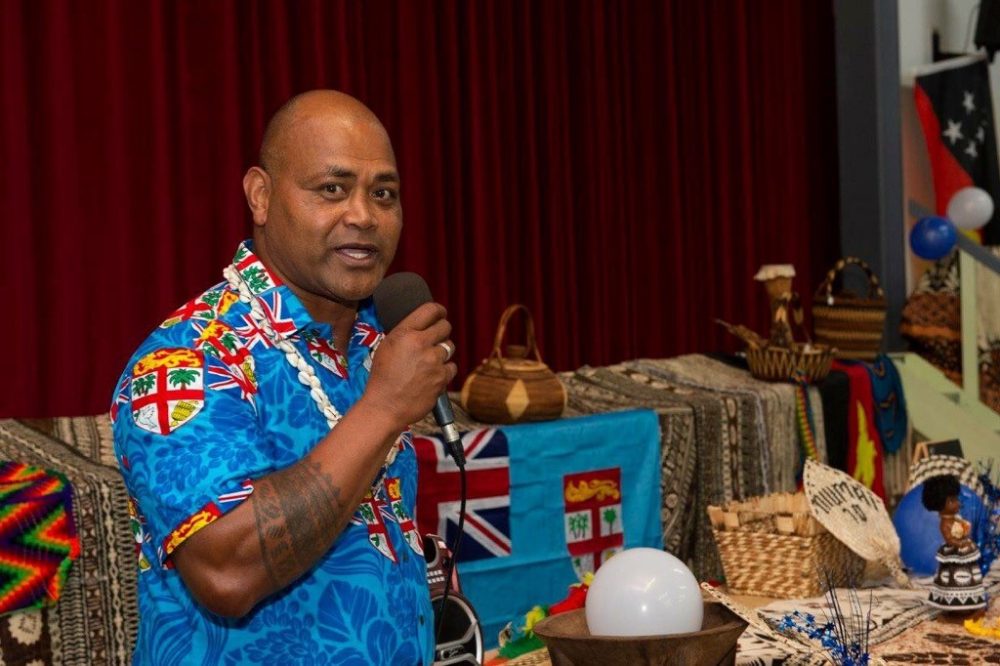
Sydney, 15.05.2020 (IPS): Aged 17, Moe Turaga was saddled with the responsibility of providing for his mother and young siblings when a family member approached him with the promise of a job and education in Australia. Dreaming of a bright future for himself and his family, he seized the opportunity and left the protective confines of his home in Fiji, only to find himself trapped in modern slavery on a remote agriculture farm in the state of Victoria.

Turaga was one of 12 cousins, forced to work long hours in abysmal conditions. He told IPS, “We had implicit faith in this man as he was family and a church minister. We kept loyal for years because we were told that our wages were being used to feed our family and send our siblings to school. It was 1988, we didn’t have mobiles or access to social media. All our identity documents had been confiscated by this man so we were completely isolated.”
Continue reading →

Indonesia faces new tsunami risks

By Neena Bhandari

Sydney, 29.04.2020 (SciDev.Net): Many coastal communities in the Indonesian archipelago, including the proposed site of the new capital on the island of Borneo, could be at potential tsunami risk from submarine landslides, according to a study published by the Geological Society of London.

Tsunamis, whether caused by earthquakes, volcanoes or submarine landslides, pose a specific risk to the sustainability and resilience of coastal communities. They claim thousands of lives, damage to property and cause widespread destruction to infrastructure. South-East Asia is particularly prone to tsunamis due to its seismically active geology.

A British-Indonesian team of researchers which carried out the study, published this month (April) in the Submarine Mass Movements and their Consequences, has identified a number of ancient submarine landslides off the east coast of Kalimantan in the Makassar Strait, between the islands of Borneo and Sulawesi.
Continue reading →

How Vanuatu women are responding to climate change

By Neena Bhandari

Sydney, 20.04.20 (IPS): Sitting atop a banyan tree branch, Fiona Robyn had a cell phone tightly clasped in her fist raised high to get a signal. She was impatiently waiting for the SMS weather alert from the Women Wetem Weta (Women’s Weather Watch – WWW) hub in Port Vila as cyclone TC Harold raged towards the Republic of Vanuatu in the South Pacific Ocean on 5th April.

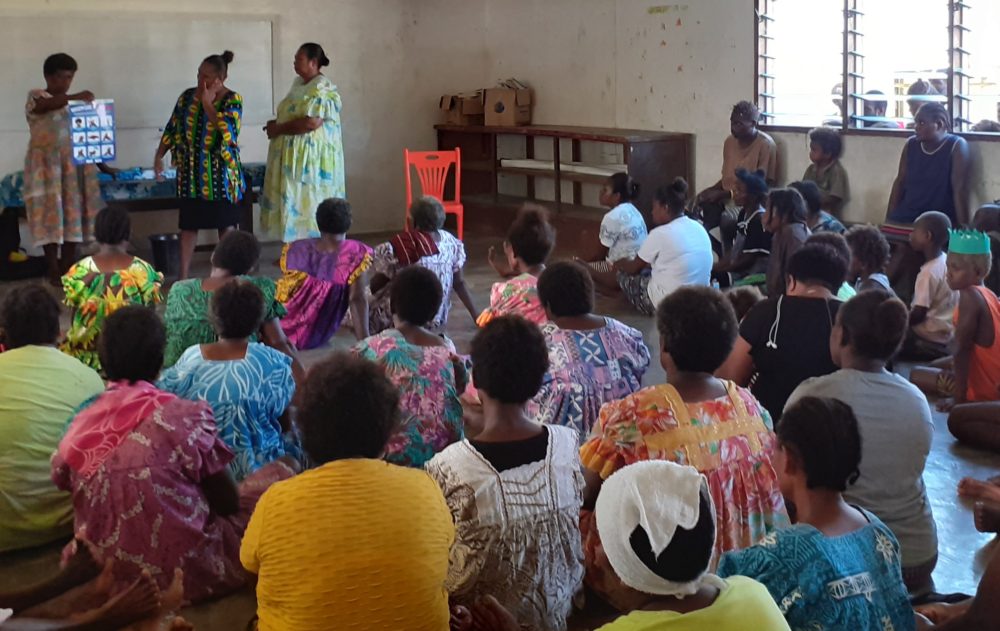
No sooner had she received the message, Robyn, a WWW leader in Eton on the eastern coast of Efate island in Vanuatu, immediately swung into action. She began mobilising other women and youth to help widows, the physically challenged and older people secure their roofs, store food and clean water, secure documents in air tight containers, and move those in unsafe houses to the local school serving as an evacuation centre.

When natural disasters strike, women are the first responders for their families and communities. The WWW programme is giving women in remote areas access to appropriate timely information, and building their capacity and confidence to communicate complex scientific weather and climate information from the Meteorological Department in simple “disaster ready” warnings to prepare for cyclones, floods, droughts and volcanic eruptions.

Continue reading →