
Posts by Neena Bhandari

New Zealand is latest destination for Indian tourists

By Neena Bhandari

Auckland (New Zealand), 10.02.2008 (IANS): An increasing number of Indian tourists are visiting New Zealand, known as the land of the long white cloud. In 2006-2007, as many as 20,946 Indians spent an average of 13.8 days in New Zealand, showing a growth of 8.3 percent over the previous year.

Most visitors are choosing to stay in 4- or 5-star hotels, luxury lodges and boutique accommodation on an average spending NZ$3,425 (Rs.105,782), excluding airfare, per person per trip – higher than the average of NZ$3,115 (Rs.96,304) spent by tourists from other countries. Continue reading
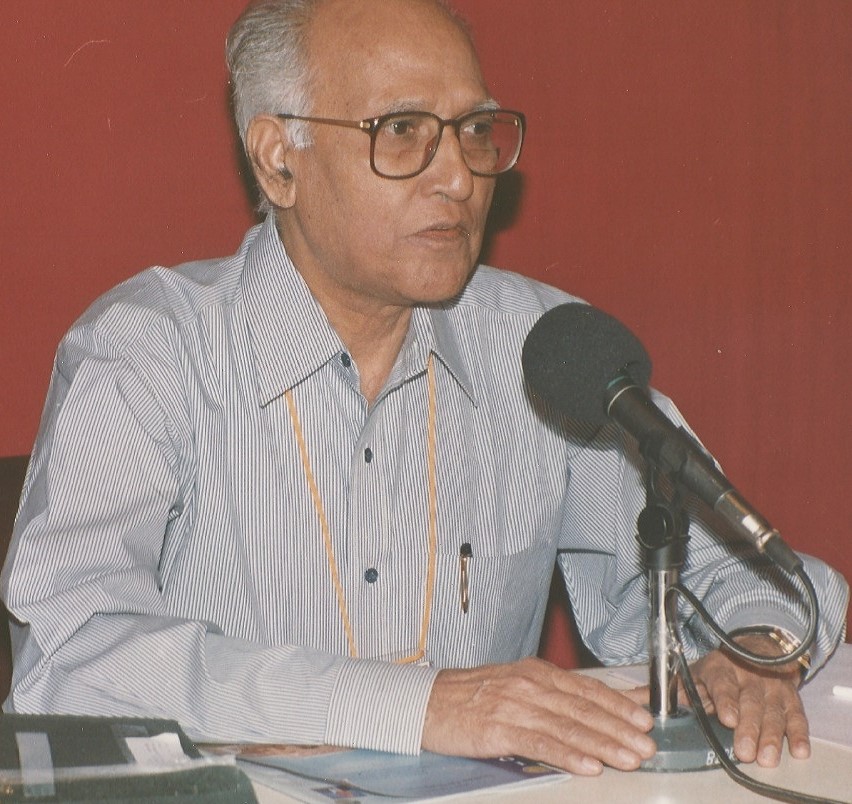
Remembering uncle – the man behind Jaipur Foot

By Neena Bhandari

Jaipur, 31.01.2008 (Indo Asian News Service): Each year, when I returned home from Australia for our winter sojourn, spending an evening with “uncle” – as I had come to address Dr Pramod Karan Sethi after our four-decade long association – had become a ritual. Sadly, this year I was too late. A recipient of the Padma Shri and Magasaysay awards, Sethi, who provided new hope to many an amputee with the development of an artificial limb (Jaipur Foot) in association with master artisan Ram Chander Sharma (Masterji), and improved callipers for polio patients, passed away Jan 5, 2008, at the age of 80.

Continue reading

Women in volatile situations themed films dominate inaugural APSA Awards

By Neena Bhandari

Gold Coast (Australia), 16.12.2007 (IANS): Films exploring the lives of women in some of the most volatile situations won many an award at the inaugural Asia Pacific Screen Awards. APSA, the region’s highest accolade in film, showcased the immense talent and cinematic diversity of a region covering more than 70 countries, one-third of the earth’s surface, 60 per cent of its total population and half the world’s film output.

APSA brought together films from the classical and traditional to the experimental and cutting edge industries – from the stylised horror genres of Japan, to the allegorical tragedies and comedies of Korea; the extraordinary tapestry of Chinese cinema, the multifaceted industries of India, the poetry and reality of Persian cinema to the visionary narratives of the Middle East.

Continue reading