By Neena Bhandari
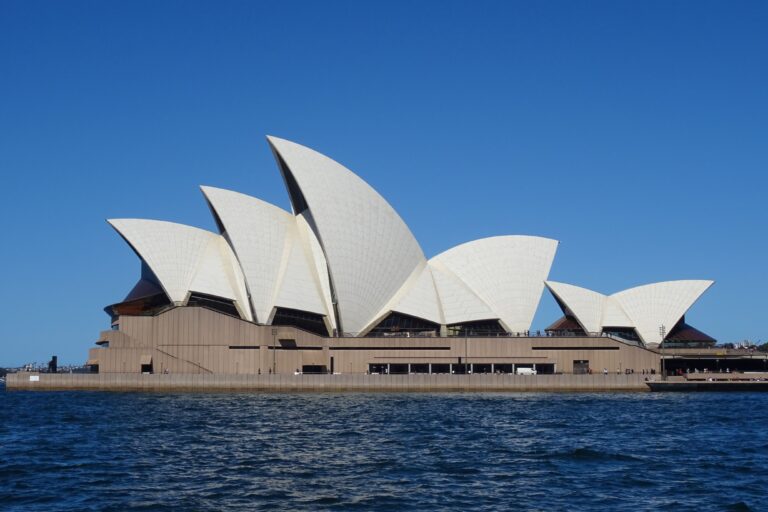
Sydney 12.09.2000 (IPS):- Grey skies dimmed the sunshine and the seizure of human growth hormone in the luggage of the Uzbekistan team coach, blurred the euphoria gripping this city as it waited for the opening of the world’s greatest sports carnival.
As the Olympic torch, lit in Olympia, Greece on May 10, entered Sydney to a tumultuous welcome, Nobel Laureate and former South African President Nelson Mandela told a cheering crowd: “We must recognise and respect the collective effort of all people and champion the cause of human dignity and universal peace.” Earlier, speaking at a two-day seminar on ‘What Makes a Champion?’, the first of what is hoped to become a regular intellectual component of future Olympic Games, Mandela said it is “not important to change society, but to change ourselves.”
In the next few weeks, this city of 3.9 million people will welcome 132,000 international visitors, over 5,000 officials and 15,000 media persons. Some 10,000 competitors from 200 nations who will take part in 28 sports events. Clocks have been moved ahead two months earlier than usual to allow more sunshine for the Olympics.
The games will feature a trio of uniquely Australian mascots – a platypus named Syd, an echidna called Millie and a kookaburra called Ollie.
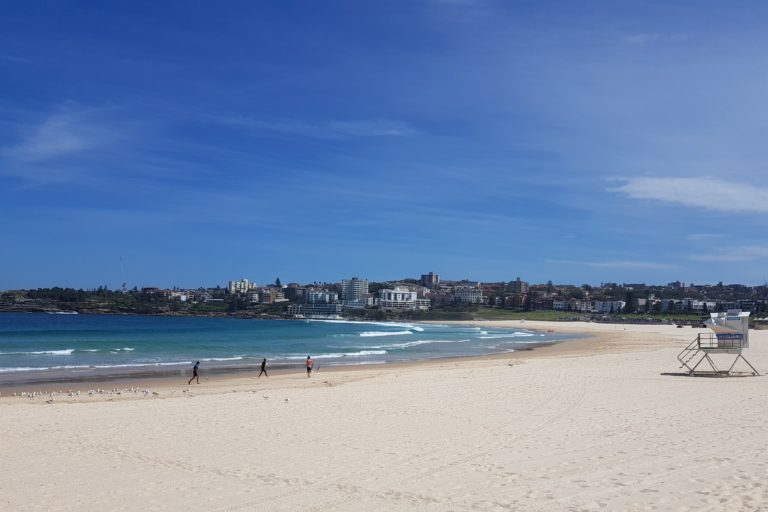
Almost 50,000 way-finder signs, 10,000 banners, 30 ‘Clubbie Max’ structures resembling the traditional, beach-side life-saving tower and several giant sets of Olympic rings, dot the city skyline.
In the past weeks, 4,000 artistes have performed a variety of shows across 40 venues in Sydney. Smoking is banned in restaurants, cafes, shopping centres and at casino gaming tables.
A 2,000-member Olympic marching band, comprising Australia and 19 other countries, will lead national sports persons into a 110,000- seat stadium for the Sep. 15 opening ceremony, which will be viewed by an estimated 3.5 billion people across the world.
As the first set of athletes made their way to the Olympic Village in Homebush Bay, the International Olympics Committee (IOC) lived up to its promise of random drug testing on competitors.
The IOC has approved the use of blood and urine tests for the banned performance enhancing substance, EPO. On the eve of the games, China ditched several of its top athletes for ‘suspicious’ drug test results.
The motivation behind the tough Chinese action is said to be Beijing’s bid for the year 2008 Olympic Games.
President of the International Olympic Committee, Juan Antonio Samaranch said: “Sydney should feel extremely confident about receiving the ‘greatest games ever’ tag from the IOC.”
This follows the controversy over Australia’s Olympic bid. Last year, Australian Olympic Committee president John Coates admitted that inducement payments were made to Kenyan and Ugandan officials to encourage them to vote for the Sydney bid.
Members of the IOC and some of their relatives were offered expensive gifts, holidays, scholarships and jobs. In his report, head of the inquiry, former South Australian auditor-general Tom Sheridan, criticised this attempt to win votes.
When Sydney won the right to host the Games in 1993, most of the required sporting venues did not exist. The site of the Olympic Village once housed a government building, an abattoir and a naval armament depot.
The village is equipped with what is said to be the world’s most advanced solar power system. The entire area is enclosed within a dual fence, equipped with motion detectors. Bomb detection sweeps will be carried out every day till the end of the Games.
However, following an unexpected rise in the number of competitors, athletes could be forced to sleep three in a room.
The Olympic Village will offer something to delight every palate, with a range of 1,500 dishes. The first lunch will include a giant smorgasbord of at least 70 dishes. Each dish has been selected for its nutritional value.
On the busiest day, up to 500,000 people will travel to the Olympic stadium, another 100,000 to the second biggest Games venue at Darling Harbour and 70,000 to venues around Blacktown. Many visitors are already finding commuting a nightmare and expectant mothers with September delivery dates are being warned of likely traffic snarls.
In their quest to present Sydney’s most beautiful face to the world, authorities are persuading the homeless to move out of the city. Aboriginal groups are also planning to seize this opportunity to tell the world about their cause.
“We will seize this Olympic moment to lay the facts before the world about the appalling economic and social conditions of our people,” said Geoff Clark, Chairman of Aboriginal and Torres Strait Islander Commission (ATSIC).
Aboriginal ’embassies’ are being set up in three Sydney parks under tents. However, the protesters have promised not to interrupt any events. Protest marches are to be held till the opening of the Games.
“If you see behind the present glitter, the situation of indigenous people is disgraceful,” Clark told reporters.
Continue Reading on Inter Press Service
© Copyright Neena Bhandari. All rights reserved. Republication, copying or using information from neenabhandari.com content is expressly prohibited without the permission of the writer and the media outlet syndicating or publishing the article.
You May Also Like